Leadership Growth: From Where You Are to Where You Want to Be

Leadership Growth: From Where You Are to Where You Want to Be
February 11, 2026
Wednesday 1:00 p.m.-2:00 p.m. ET
In an era of unprecedented business complexity, how do leaders position themselves for C-suite success while building resilient organizations? Byron Loflin, Global Head of Board Advisory at Nasdaq and co-author of the new book CEO Ready: What You Need to Know to Earn the Job and Keep the Job, joined us to discuss leading effectively through uncertainty, provide best practices for building high-impact leadership teams and explore succession planning strategies that work for organizations of any size. This session is for anyone looking to advance their career or strengthen their leadership effectiveness in today’s dynamic business environment.
This program is presented as part of the Travelers Institute’s Forces at Work initiative, an educational platform to help today’s leaders navigate the shifting dynamics of the modern workplace and prioritize employees and their well-being.
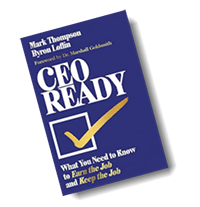
Byron Loflin shared insights from his book, CEO Ready: What You Need to Know to Earn the Job and Keep the Job.
Please note: Due to the nature of the replays, survey and chat features mentioned in the webinar recordings below are no longer active.

Host
Joan Woodward
President, Travelers Institute; Executive Vice President, Public Policy, Travelers
Speaker
Byron Loflin
Global Head of Board Advisory and Founder, Nasdaq Center for Board Excellence; Author of CEO Ready: What You Need to Know to Earn the Job and Keep the Job
(SPEECH)
[MUSIC PLAYING]
(DESCRIPTION)
A title: Wednesdays with Woodward (registered trademark) Webinar Series.
A red mug with the Travelers Umbrella logo rests on a desk beside a laptop displaying the Title Slide. Joan Woodward, President, Travelers Institute; Executive Vice President, Public Policy, Travelers appears in the upper right corner.
(SPEECH)
JOAN WOODWARD: Good afternoon, everyone, and thank you for joining us. I'm Joan Woodward, President of the Travelers Institute, the public policy division and educational arm of Travelers Insurance. Welcome once again to Wednesdays with Woodward.
We're so glad you're here, joining our webinar series, where we convene thought leaders about really important conversations of today's biggest challenges. Whether it's in business or personal lives, we try to take it all on. So we're really glad you're here.
(DESCRIPTION)
Text: About Travelers Institute (registered trademark) Webinars.
(SPEECH)
Before we get started, I'd like to share our disclaimer about today's program.
(DESCRIPTION)
The Wednesdays with Woodward (registered trademark) educational Webinar series is presented by the Travelers Institute, the public policy division of Travelers. This program is offered for informational and educational purposes only. You should consult with your financial, legal, insurance or other advisors about any practices suggested by this program. Please note that this session is being recorded and may be used as Travelers deems appropriate. Logos: Travelers Institute (registered trademark), Travelers.
(SPEECH)
I'd also like to thank our webinar partners today, University of Connecticut Master's in FinTech Program, the MetroHartford Alliance, and the American Property and Casualty Insurance Association.
(DESCRIPTION)
Text: Leadership Growth: From Where You Are to Where You Want to Be. Logos: Travelers Institute (registered trademark), Travelers, Master's in Financial Technology (FinTech) Program at the University of Connecticut School of Business, MetroHartford Alliance, American Property Casualty Insurance Association (APCIA.)
(SPEECH)
As I say on every one of our webinars, I read every single comment that you put in our surveys about the programming. And one of the biggest things people are asking us to do is talk about leadership, talk about career development and talk about CEO succession planning or just succession planning in general for small- or medium-sized businesses.
So today, first of all, we heard you. And today, I'm thrilled to welcome my friend Byron Loflin.
(DESCRIPTION)
Text: Today's Speaker: Byron Loflin, Global Head of Board Advisory and Founder, Nasdaq Center for Board Excellence; Author of CEO Ready: What You Need to Know to Earn the Job and Keep the Job.
(SPEECH)
Byron is the Global Head of Board Advisory at Nasdaq, where he leads the governance team in driving board and governance effectiveness and excellence. He founded the Center for Board Excellence in 2010 and was CEO until it was acquired by Nasdaq in 2019.
Prior to that, Byron was the CEO and president for two private companies from 1992 to 2009. He's the architect and developer of a governance platform and tools used by thousands of board members globally. Along with speaking on and teaching corporate governance effectiveness, Byron has co-authored the book CEO Ready with Mark Thompson.
It's a terrific read. I encourage all of you to do that.
(DESCRIPTION)
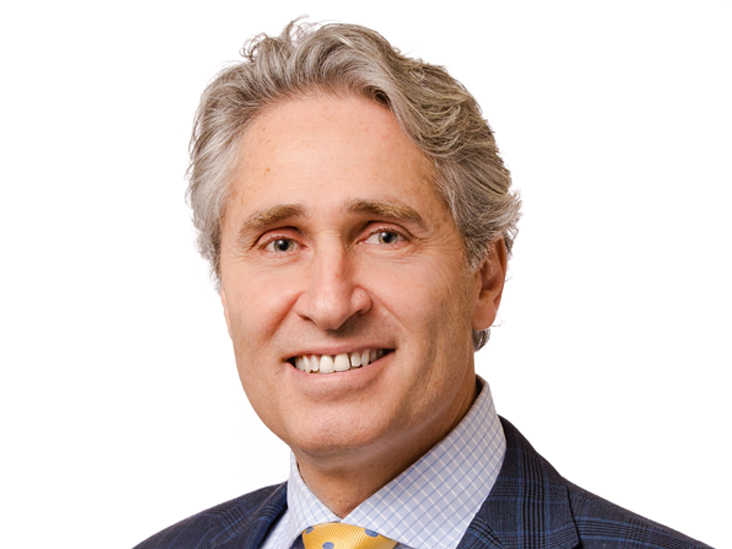
The cover of Mark Thompson and Byron Loflin's book CEO Ready appears to the left. It includes text: Foreword by Doctor Marshall Goldsmith. What You Need to Know to Earn the Job and Keep the Job. Byron smiles in a photo to the right of his book.
(SPEECH)
Byron's articles and interviews have appeared in Harvard Business Review, International Banker, Fast Company, Fortune magazine, Chief Executive and more. So we're going to talk to Byron today about leadership and what it takes to be a leader today.
We'll also talk about boards. After all, Byron is the expert on boards. So we'll get into that best practices, elements of successful boards, why and how to become part of a board, which a lot of people I know ask about, how do you get on a board? We'll also get into succession planning for big and smaller businesses. And of course, we're going to talk to him about his book.
So without further delay, welcome, Byron, to the show.
(DESCRIPTION)
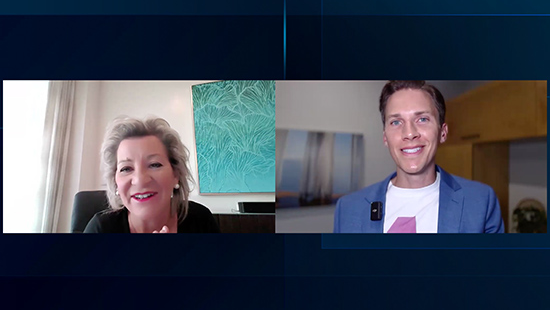
Joan and Byron both smile as they appear in split screen.
(SPEECH)
BYRON LOFLIN: Joan, thank you. Thank you. It's a pleasure being here on Wednesdays with Woodward. I appreciate it very much.
JOAN WOODWARD: OK. So let's start with the Center for Board Excellence, which, as I mentioned, you founded and Nasdaq later acquired, a huge honor, I'm sure, when they called you to talk about that. What inspired you to dedicate your career to improving how boards select, assess and support CEOs?
BYRON LOFLIN: It started-- thank you, Joan. And yes, it was a tremendous honor to come to Nasdaq. It started in the mid-2000s. I was involved with the business that I was leading at the time, called Select Homes. We also had a land development division.
We were watching and wondering what was going on in the securitization of mortgages at the time, not our specialty, but it was curious that we were hearing things that didn't make a lot of sense to us. And that started to stimulate-- I was on a Small Business Administration council on homebuilding, and we had a mortgage division.
So it was the connecting of dots between that and the financial crisis that I saw a need in the marketplace. I had gone back to a program at Harvard called OPM, and it was tremendous for me because it's like entering as a mid-level executive and working your way up instead of starting as a young MBA. You've got to be running a company to go to OPM.
And that three-year program changed my life in many ways and caused me to look at leadership differently. And then when the financial crisis set in, we all know. We don't have to go over what a terrible thing that was. And it pointed to me towards boards could have done much better.
Some were doing well. Some were not doing so well. But I asked a professor at Harvard that I'd gotten to know, Jay Lorsch, how well boards were performing. And very quickly, he responded to my question, said D-plus. So that kind of ignited the interest. I thought, well, there's got to be an opportunity there. And that really caused me-- that and other things around the financial crisis caused me to start the Center for Board Excellence.
JOAN WOODWARD: Great. Thank you for that. By the way, I see a pin on your jacket there.
BYRON LOFLIN: Yes.
JOAN WOODWARD: Where did you get that lovely umbrella?
BYRON LOFLIN: Umbrella? I was invited-- Back in those days, when I was-- had the prior company, I was invited by Sandy Weill to attend a golf tournament with a group of the Travelers team. And at that tournament, we were given these pins to walk around at the Travelers tent. And I've been a pin collector ever since.
JOAN WOODWARD: Well, I'm impressed that you know where it was 20 years later to wear it for today. All right.
BYRON LOFLIN: Little bit of fun.
JOAN WOODWARD: Let's get into it. Let's talk about leadership.
BYRON LOFLIN: Sure.
JOAN WOODWARD: As we discussed, your career is focused on assessing leadership potential and evaluating what it takes to be a successful leader, and I think a lot of people are tuning in today. By the way, we have over 7,400 people on the line registered for the program today. That just talks about how thirsty people are to understand what it takes to be a successful leader.
So what does it mean today? Today, more than ever, these challenging times-- technology, political, economic, geopolitical, so many revolutionary things on different fronts, so what are the non-negotiable strengths every CEO or every leader must possess in today's volatile business environment?
(DESCRIPTION)
Byron nods.
(SPEECH)
BYRON LOFLIN: First, the ones that-- and I'll reference at times Mark and I because Mark Thompson and I interact around this quite a bit in writing the book and work that we do-- is the first non-negotiable that I see is sound judgment. Particularly during periods of ambiguity, we're looking for that leadership because many of us are out doing other things than running the entity at large.
And so we need to see sound judgment. Mark and I have observed that humility with a learning velocity, in other words, what we mean by that is that that thirst to learn quickly, and understanding we don't know it all. We're not looking for the leader to know it all. We're looking for a leader who has that sound judgment, the humility to know what they don't know, and to bring together the teamwork to-- the group together is what delivers for the owners.
And then an important one today is stakeholder fluency. And what we mean by that is really understanding the different stakeholders that have an interest in our business and then offering up inviting credible accountability and developing and building culture. I was with a board and management team recently, and I sat in the room amazed at how well they had built a culture of openness, transparency.
And in fact, when we left, my discussion-- follow-up discussion with the nom/gov chair is, how do we document the language of care and depth of understanding that your organization has developed? And so those are some of the non-negotiables that drive excellence in our business world. And frankly, I see it drive over time share price.
JOAN WOODWARD: So is that different than, say, 20 years ago compared to what--
BYRON LOFLIN: Yeah.
JOAN WOODWARD: What's different today?
BYRON LOFLIN: It's changed for both leader-- for the leadership world in general. Today, one thing is-- and AI only accelerates this. Whatever you've done in your past is going to be found out very quickly. So you might as well be transparent upfront.
Openness is a responsibility of the leader and the demands of understanding whether or not you're in the C-suite or in the board or higher. But then the accessibility to the information we need to gain understanding is also faster because we can talk to these AI engines that we have now. And we can-- and developing that fluency, interacting with your colleagues, and balancing that with technology has brought us to a deeper expectation from stakeholders about how to lead organizations.
JOAN WOODWARD: I want to spend a minute on Travelers itself. And I usually don't do this, Byron, on my webinars, but this is so core to us. I have a slide that we prepared.
We work on developing our key capabilities in our emerging leaders. As you can see from this word cloud we put together,
(DESCRIPTION)
Text: Travelers Leader Capabilities. A word cloud includes the following text: Business acumen, change leadership, excellence, empathy, Travelers culture, agility, building capability, direction and clarity, and inclusion.
(SPEECH)
they range from business acumen, which is fundamental, excellence and execution on the business, agility, to change leadership, empathy. To me, empathy stands out. It kind of ties the focus that you just talked about, humility.
How important are these qualities, empathy, humility, in a leader, especially today? Because we certainly see it in our CEO, Alan Schnitzer. And again, how do you think about the components of the Travelers, looking at the word cloud, in terms of our capabilities to raise and grow our leaders here?
BYRON LOFLIN: Well, and fundamental to Travelers is trust in your resiliency through the years to be able to insure our nation, and that requires trust at the leadership level. And trust and empathy, I think, are core elements of what it means to be a responsible leader.
And it's something that we look for. Humility isn’t timidity. It's a strength. And that extends to-- many leaders today seek to be the kind of servant leader that has that will to take the business where it needs to go and is possibly-- or possibly can go, along with having a sense of, hey, let's have a great time. Let's be the best place to work and compete on those kinds of levels rather than things from the past. And so I think that the link between humility, trust and empathy are tightly bound.
JOAN WOODWARD: Well, we certainly feel it here, so thank you for spending a minute on the Travelers family. And again, I'm grateful to be a part of it. I know a lot of people are.
So, thank you for that. Let's go back to your philosophy. So let's talk about, how does a good leader build successful and resilient teams? Because I think the word "resilient," especially in times when it's so volatile, being resilient and able to bounce back or being agile, we like to call it “perform and transform” here. How do you think about that?
BYRON LOFLIN: When I think about it, both for myself and around leaders on an ongoing basis, one, we're expected to set a certain area of, or types of standards, so clear expectations, clear values, clear consequences on what we expect from one another, what, firstly, we respect from ourself and then what we expect from our teams, and building a sense of psychological safety and a performance accountability that relate to one another in a responsible way.
And then in a sense, when we think about operating systems, we're so dependent on operating systems on our computers these days. Think about that in terms of investing in the operating system, the cadence of decision-making, how you work with your team, the decision rights. Who has-- who have you given rights to to make decisions? And what are those thresholds? That's important, whether or not you're running one of the largest companies in the world or you're running a small, say, restaurant or restaurant group.
And so, investing in those is vital. Investing in these areas of the operating system of the company are vital to building the habits that are-- that build long-term leadership and sustainability on a corporate level, which is-- therefore, resilience isn't some sort of hyper-popular word. It's repeatable behavior that we-- and particularly in times of stress, we're ready-- we’re a little better ready, in a sense, to face stressful up and down times when the economy is inevitably going to turn a little bit more difficult.
JOAN WOODWARD: Yeah, no no, no. That's great. It's like a muscle. When you flex--
BYRON LOFLIN: It is.
JOAN WOODWARD: --your muscle, being resilient is--
BYRON LOFLIN: Yeah, that's a great way to put it.
JOAN WOODWARD: Alrighty. So you and your co-author, Mark Thompson, we should say, had a recent article in Harvard Business Review, and we're going to drop that in the chat right now, where you talk about today's C-suite hiring process, which you say now, more and more, involves professional recruiters. So tell us how you advise candidates to prepare for this new kind of evaluation process.
BYRON LOFLIN: And I would add to that, please read the article if you're a private company too, and just apply it to your style of recruiting. You're the recruiter if you're a small business that isn't going to hire an outside recruiter. So it's not just for the mega companies.
JOAN WOODWARD: Right. Right.
BYRON LOFLIN: So one is, as a business leader-- and you want to tell a crisp story. And that needs to be evidence-backed so that they gain understanding of not only what you've done-- It's not a biography of your-- in the sense of like a resume. They can look at your resume.
You want to communicate who you are. It's because they're investing. What's the investment thesis around why they should select you? You will likely, if you're going into a larger company, you're going to face more formal assessments, psychological assessments and so on. So you can begin being ready for those.
And do a deep reference on what-- and you could even ask someone to do this for you, or hire someone. What are they going to find if they dig into your past so that you know yourself and they know you, there's no surprises?
I hope-- I say surprise is the enemy often in business, particularly in hiring and in boardrooms. And show maturity about your blind spots. In other words, you're not perfect. They're not expecting you to be perfect.
So help them understand where are your strengths, using that StrengthFinders concept. And your weaknesses, you can spend your life trying to overcome some weaknesses that aren't going to move the needle for your career necessarily. And don't worry about them too much, and we'll get into that when we talk about things like about feeling that we don't have the right skills.
(DESCRIPTION)
Joan nods.
(SPEECH)
JOAN WOODWARD: Let's talk about board of directors, just for a few minutes. And we're going to move on to lots of other topics I have for you. But you've been studying and advising boards for decades now. Has the role of the board of advisors or board of directors changed in your career?
BYRON LOFLIN: It's changed in the sense that it's intensified the expectation to be a more knowledgeable board member and a more active board member. So in the past, I would argue and critique that there was too much passivity in the boardroom, in other words, too many folks that were more on the passive side.
They were responding and reading financials, and they may be very good at that. And they thought that that was the, in a sense, the only dominant skill they needed to bring into the boardroom. I don't want to discount the importance of having financial acuity, but it's more important today to have other things.
One, understanding what we're talking about today, leadership, because you're going to-- and this goes to the book. You're going to be making a decision likely at some point about CEO succession. And you're going to be expected to know sufficiently about enterprise risk management so that you can be a good enterprise risk monitor. It's not your job to manage risk, but it is your job to monitor it and to have a-- to develop a deeper capability today to look down the road or around the corners, the kind of terms we use for this, at what could be coming at the company where you can add value and insight.
JOAN WOODWARD: And you don't have to be a public board to have a risk committee. If you're a small business-- maybe you have an agent or broker out there-- have an advisory board that has to always consider risk maybe once a quarter or something, so having a formal plan around a risk assessment--
BYRON LOFLIN: Yes.
JOAN WOODWARD: --for a smaller company.
BYRON LOFLIN: And that word "plan" is important. And today we have all the tools to document our plans more quickly and effectively, and I recommend that, for boards and leaders, have people around that are helping you document the processes that you put in place so that you can build a more transferable organization. Whether or not you want to buy another company, acquire, I mean be acquired or you want to merge, having those kinds of manuals, if you will, on how the company got here and what your processes are is helpful over the long term today and expected more of boards.
JOAN WOODWARD: So as you think about building a successful board, what should companies or organizations be looking for as they bring people on their board?
BYRON LOFLIN: I would ensure that they have the fundamental skills, one, of understanding the role balance, that it's different. You can't come onto a board and tell management how to do their job. They have to live and die in their career by their decision-making process.
You can mentor them. You can help them. But it's also ensure that the board members and the board at large has the skills and experiences to help walk through, is this strategy plausible? Is it understandable? Is it clearly defined? So that all the board members understand it.
Do you have the right talent to implement the strategy and execute on it? And then is the board helping? Are they capable of helping in the area of risk assessment and culture assessment? So those are areas to measure, as you're identifying board members, do they have-- are they developing those?
You referenced the term "muscle." I think of these as muscles, just like going to the gym and working on different stages of the gym. Think of that in terms of the muscles you're building around strategy, talent, risk, culture, product, innovation, these kinds of areas.
JOAN WOODWARD: So, talk about the management committee or the management of the company and the board members interaction. So, is there a better way to facilitate interaction? Is there a process by which you judge how they should be working together? Or is every company and every situation different?
BYRON LOFLIN: Joan, that question-- I assumed 10, 15 years ago that they were each inviting the other into the interaction sufficiently. This is something that's surprised me several years ago, and it's even sometimes a surprise today.
The word "invite" has become an important word in that interaction. In order to utilize one another effectively, you have to invite people into a relationship. In a sense, it's like inviting somebody over to your home for dinner. You get to know them a lot better if they stick around.
Sometimes they leave too early. Sometimes they leave too late. You can draw lots of metaphors out of these types of relationships we have. But in the relationship between management and the board, it's very important that there's a sense of invitation.
You're inviting the board to do their job responsibly around oversight of the organization, and the board is inviting management in the way that they're not intimidating them. They're asking them to go to and have site visits, for example, so that the board gets to know the company more deeply.
I've seen companies that, 15 years ago and prior-- they might be a 50-year-old organization-- they'd never run-- done a site visit. How much do you learn from going to the site and seeing how the business operates? And the message that communicates to those people working at that site, that the board took the time to come and visit.
So that's one of the areas that I've also seen boards change dramatically. And those that are curious, think of yourselves as having a duty of curiosity to understand those kinds of things that we're talking about.
JOAN WOODWARD: No. I think that's fabulous advice, getting to know the field offices and the people who are actually in the business, running it. Let's switch a little bit, and I want to talk about something that I'm personally very interested in, as someone who's maybe earlier in their career and be ready to join a board, their first board.
So what homework assignments would you give that person to say-- in order to be considered a successful candidate or even considered at all, what homework should they be doing? And when should they start that?
BYRON LOFLIN: I thought this was a very important question, so I went and spent a little extra time this weekend putting this together.
JOAN WOODWARD: Well, thank you.
BYRON LOFLIN: Yeah, because I'm passionate about this. One, it's a lot of fun to be on a great board.
(DESCRIPTION)
Joan smiles.
(SPEECH)
It is a-- It is misery to be on a dysfunctional board, and so I'll try to help on both fronts to help. There's implications on what it means to be on a great board.
So one is, before you go to a board, understand the strategy. Understand it from your perspective first. Do some homework on the company and what you think its strategy is because we learn a lot by finding where we were correct or incorrect, just like being back in college or whatever.
And when I say understand the strategy, that goes to its risk profile, its talent development cycle, where it is. Do you think the CEO is near retirement or stepping down for whatever reason? This kind of thing.
Clarify your expectations around how much time it's going to take to be a board member. That's a very important-- people that go on boards and then they suddenly are getting, in a sense, bad marks from other board members because they didn't expect how much time it was going to take. Some boards take a lot of time, just by virtue of how complex the organization is.
Learn the board's decision dynamics. Who's making the decisions? And how much does that need to be disrupted a bit? And don’t be-- You don't want to walk in first day and say, OK, I'm here to disrupt the decision process of the board.
But if it isn't at its maximum capability, it's time to get to know the committee chairs, the board chair, and see how you can influence that capability in the boardroom so it's helping make better decisions on behalf of the management team.
And study the differences between healthy and unhealthy tension, and particularly understanding healthy tension because the board's job is to push just a little more than what would be comfortable, not uncomfortable, but pushing the limits that the management team needs to have, deliver on things like dashboards around KPIs, how culture is functioning, to help you have enough down-the-road understanding so that, as you either come on or become a board member and advance in your career as a board member, you're growing to understand these dynamics more effectively.
And ensure that you understand the concept of independence as a board member and understand the implications of independence. It means that you can't do certain things anymore that could cause conflicts and related party issues and understanding that now you, when you're in public, you represent that company.
And they think of you as an ambassador for the company. And so you have not the same but a similar reputation impact as the CEO. And understanding those, so learning about those well will help you be better prepared as a board member in the future.
JOAN WOODWARD: So how do you know if a board is the right fit for you? And maybe what are some of the red flags if the appointment might not be a good fit? And how do you get out of that situation, if you, again, went in with your eyes maybe not all the way open on what you're getting into?
BYRON LOFLIN: I think the right fit is established quite easily and well with discussion with the chair and the nomination committee that's discussing it with you. Are you going to clearly add value to this board? Because if you're going on the board just to go on a board and get a board paycheck or to put it on your resume, those are the wrong reasons.
You've got to add value. And are you going to be able to add value in the first six months? I've heard people say, well, it takes a year or two. No, that's nonsense, I think. I see board members come on and add value in the first month sometimes because they're bringing their whole selves to the board.
Red flags? If it's got a rubber stamp sort of environment, that's a red flag. You want to see that there's a robust debate environment, that openness is accepted and invited in the boardroom, that no one avoids the difficult discussions. There's not that kind of avoidance in the room.
You want to hear messages like, hey, Jan, you need to understand, if you come on our board, there's going to be some limits pushed. There's going to be some tension at time. And are you prepared to add value to that tension, meaning that it's maintaining healthy tension? Avoidance of hard or difficult discussions, that can become a highly dysfunctional environment.
Unclear ethics-- I think the ethics need to be laid out to you very clearly. What does this company stand for? That's a quotient that it should be loud and clear in lots of areas that we see in society because I think boards make a big difference in organizations, in setting the standard of ethics.
And how dominant is the CEO? How well is the CEO inviting others into the boardroom so that you get to know them? And is the CEO always controlling the information flow? Or is that CEO allowing his five or 10, more than five probably, interact with you at a level that there's the open and transparency, where there's a culture of confidence, accountability and trust that's being fostered in the organization?
There should be, by the end of the interviews, if you think about these kinds of areas, that you're excited to go on this board. If you feel some reticence, I'd go, whoa, I'm not sure that's the right board for me.
JOAN WOODWARD: Great. I should have mentioned at the top of the program-- thank you, Byron-- for my audience members, you could put your questions in the Q&A. And I've been monitoring them. And, Byron, I want to get to a really big question that are on their minds, so let's get to it now.
A lot of audience members are asking about technology and how should leaders, management boards be navigating these massive changes we're seeing? Is there successes or failures of how leaders have navigated other technology revolutions, like the early internet or social media, for guidance?
I mean AI is being talked about as this massive, massive game changer. You and I grew up not having internet, and we figured it out. But that has exacerbated and accelerated the change that we've seen in society. So what are you telling or how should we be thinking about technology changes?
BYRON LOFLIN: I don't feel that the internet was governed particularly well. It was allowed to just-- it was like the Wild West back in the 1840s. And AI particularly needs to be governed well, and boards need to have their thumb on the pulse of, how is governance beating?
Are we at the right pace? Or are we trying to get ahead so quickly that we could be opening ourselves to very difficult conditions in the future? Board members should be spending time on multiple platforms around AI today. That's a responsibility as you go into a boardroom.
I think that is understood fairly widely. But if it's new to anyone on this program, I would go to things. There's lots of organizations, things like NACD and Alpha AI, and I would imagine probably, Joan, you all do some work in this area specifically, going and participating in discussions, small discussions and forum, maybe 100 or 200 people, where there's active understanding of where AI is headed, so that you can bring your specific skills as a human being to bear on the governance of AI. And it's important that the biases, not-- that we all have, that it not dominate aspects of AI that could be very harmful to others and harmful to our companies.
JOAN WOODWARD: Thank you for that, very thoughtful. All right. Now we're going to talk about your book.
(DESCRIPTION)
Byron smiles as Joan picks up a copy of his book, CEO Ready.
(SPEECH)
So, CEO Ready. What prompted you and your co-author, Mark Thompson, to write this book today? Why now?
BYRON LOFLIN: Yeah, it was a fascinating intersection. We met each other ironically through a very keen friend, who was in the House of Lords, who introduced us. And this person was a leader in culture, business culture, for many years and then went into Parliament.
And we happened to be there together and met. And we found that our lives, our professional lives, were touching very-- almost the same companies at times. So we're kind of bookends.
He's in the C-suite most of the time. I'm in the boardroom. But they overlap often. And we saw an opportunity.
So we started-- we've written some papers together and some things. And in interaction with Harvard, they said, wait a second, there's a book that hasn't been written, and that is more about the readiness piece. So backing up a few years and educating boards and entrepreneurs, younger CEO, people aspiring towards being in the C-suite and CEO, and helping people self-evaluate, do I want to be the CEO?
Maybe you want to be the No. 2 person or the No. 3 person. There's a lot of power in being one person down. It's a “12 Angry Men.” If you haven't seen that film with Henry Fonda, I highly recommend it, and look at it through a business perspective because there's a lot of importance in playing different roles in an organization.
So we wrote it so that people in the boardroom would understand the different types of CEOs that they're going to be selecting and to help the transition process, meaning thinking, helping the succession world, anyone involved in the succession process, to think about, 10- and 20-year cycles rather than two or response.
Reaction is not a strategy for succession. So somebody-- every board should have an emergency succession plan already in place that's fairly well documented and be ongoingly documenting, how are we developing our talent system so that we are deepening our understanding of our responsibility around CEO selection in the future? And that's why we wrote the book, to help facilitate that interaction, both at the board level and the C-suite level.
And you'll find that there's questions at the end of each chapter that helps people refer back to it. And I'm delighted that it's been very well received by CEOs, particularly some of them saying, geez, I wish I had this 10 years ago. But I'm giving it to all my younger friends now. [LAUGHS]
JOAN WOODWARD: Well, I think one of the things-- again, I read the surveys that my listeners send to us, and the succession planning piece, especially for small business owners and independent agents and brokers, that is a real challenge for a lot of them. And not just the CEO succession, but your key producers or your key salespeople or your key relationship managers, having succession planning, we're going to get to that.
But first, back to the book because I want to talk about the seven stakeholders. Who are they, you talk about. What does an aspiring CEO need to know about each of the stakeholders? Let's talk about that.
BYRON LOFLIN: And generally this goes to private or public, and so don't think that it's overly dominant one way, although it sounds a little bit public. But a lot of companies should-- I think it's a great idea to think of yourself as a public company. But you're private and you want to stay there, that's great.
One, the first and an important stakeholder is yourself. You are a stakeholder because this is your career. Two is the board. Three is the C-suite, your peers, whatever that looks like in terms of peerage.
And are you creating the right peerage environment? And if there is an existing CEO, that's a key stakeholder. What's that person think of you? And you could be three rows down in the organization. And you may not know it, but you could be identified as a high performer.
And you want to develop that muscle, going back to your metaphor. Owners or investors, others that are involved in the company, either as stockholders or partial owners, and that can extend over a bit into your vendors, like bankers and so on. Recruiters and others, assessors. If you're hiring a recruiter or you're asking a recruiter to think of you as a potential candidate for any CEO job in the future, that's a key stakeholder be developing. That goes back to the article in HBR this month that we have.
And then any of your direct reports, they're going to be key stakeholders in building your legacy of, what was your leadership like one year ago, 10 years ago? That's going to be a key factor. And so cultivating today what could be key people, and you may not realize how quickly someone can develop and be a person that helps you go into that C-suite position, as being a part of that team that you take in.
JOAN WOODWARD: What I love about the first one, which is you are your own stakeholder, is I always tell young people when they ask for career advice, you're the CEO of your own career. No one's going to make it happen for you, not your mentor, not your advisor, not your boss. You have to own your career. So I love that you have the stakeholder as you being the No. 1.
All right. Let's go to your subtitle. I also love this. This applies to anyone. How does a leader transition from earning the job or getting that job you want to the long-term work of keeping that job?
(DESCRIPTION)
Joan points to the book's subtitle: What You Need to Know to Earn the Job and Keep the Job.
(SPEECH)
BYRON LOFLIN: So that goes back to your slide, the Travelers slide that you put up, and things like empathy because the CEOs-- and I'm very fortunate that I get to work with approximately 60 or 70 CEOs a year, that the ones that express that will and humility and empathy mixture, they have a powerful presence around the care for their people.
I'll be on the phone with them, and I'm like, gee, I want to go work for that person. It's almost intoxicating to hear that kind of leadership.
(DESCRIPTION)
Joan nods.
(SPEECH)
And frankly, that's why I got into this and loved it.
I knew that there had to be a strong group of leaders out there that really cared. They needed to be elevated. And that's what I appreciate about what you're doing, Joan, is you are elevating these key leaders that are influencing our society and creating an environment where women and men together can work more effectively towards a better economy. And so humility--
JOAN WOODWARD: Yeah, I-- go ahead. Go ahead.
BYRON LOFLIN: Building your team and culture, really work on and ask the people you're working with, how are we doing? I aspire-- It's good to tell people what you aspire to do and say, I want to be a humble leader, because that's a strength of character.
And it helps you learn and exercise that communication muscle so that you're comfortable in front of crowds, so that you're comfortable in the boardroom. You may not want to get up and give speeches to large groups. That can be OK, but you will have to deliver messages to your company at large in an effective way, if you want to be the CEO.
And that sense of relentless pursuit and understanding your stakeholders, what does it-- the CEO has to have that sense of, what does it mean to be the leader of this organization? And how do people look at our reputation and the trends that the market is bringing at you, that are both positive and negative? And that you, in a sense, earn the job every day, and thinking about that concept is one in which causes you to keep it.
JOAN WOODWARD: I love that. I love that, earning the job every day, earning the respect of your-- the people that work for you. But you talk a lot about CEOs, but it doesn't have to be a CEO.
You could be president of a division. You could be the leader of your department. And all of these things still apply, right? It's not that you're--
BYRON LOFLIN: Yes.
JOAN WOODWARD: --the CEO of a public company. You could be a division head, but you still have to have those same attributes, right, to be successful?
BYRON LOFLIN: Yeah, exactly. Well, I'm a division head of Board Advisory and the Center for Board Excellence and was a CEO. It feels very similar to me.
So for those of you that are in similar positions to where I am today, in the middle of an organization, I enjoy rereading the book for myself because it reminds me of being responsible to what I believe in and a healthy reminder. So yes, maintaining the job is earning it every day again.
(DESCRIPTION)
She nods as he smiles.
(SPEECH)
JOAN WOODWARD: Great. All right, let's get back to succession planning, just for a minute here. So you talk about it all should be a continuous cycle and not like a last-minute, desperate search.
So planning and planning and refreshing that plan, talk to us about, what are the key elements right in an effective transition plan? And again, a lot of our listeners want to understand what they should be doing now to put a successful transition plan in place. It may not be succession to CEO, but succession to your key divisions in your departments. So, talk about the elements.
BYRON LOFLIN: The places where I see the greatest amount or the highest level of success is that the-- particularly board members or and/or C-suite members and particularly C-suite members who likely, by self-selection, aren't going to be the CEO. They may not want that job and that they're a key part of identifying the talent for the future and then helping cultivate that talent and thinking about it in a longer-term fashion.
It's not a short-term job. It's looking through-- because people can leave for whatever purpose. I’ve had-- I've been involved in companies where I thought for sure over the next 18 months, so and so was going to become the new CEO. Well, that so and so person left, went to another company, got a big promotion in another company, and decided to leave for whatever reason.
Sometimes it's just the way the business-- it may not have been that negative or may not have been negative at all. And so identifying the talent and knowing that that talent pool can change and being on top of that change, you don’t want-- that's another case in which you don't want to be overly surprised.
And another responsibility of board members are getting to know, what's the talent pool look like? What's the culture of talent development feel like in the organization? So inviting more people to come into the boardroom so that you can hear from them and interacting with the CEO on, I want to meet more people about what it might look like for our organization to transition through the changes in areas like AI into the future so that we're thinking succession and transition should be words used together.
The succession is a process of transition that should be probably a three- to five-year period of movement. So if you're not already thinking out three years, you may be behind. Therefore, document more.
You don't have to document the details. It's the concepts, and it's a strategic approach to documenting, what does our company look like today? Where do we think it's headed? How is the strategy likely going to change?
And then reflect on that over the coming years on how the strategy altered or-- because every strategy needs to be dynamic-- and how it was changed. And are the people that we were thinking about three years ago continuing to be the likely successors possibly in the future? So thinking about it on that kind of basis.
JOAN WOODWARD: And not just have one person on that list, but have several for that same--
BYRON LOFLIN: And internal and external, thinking about it internally and externally. That's where boards need to have a pretty good Rolodex, too, and be out there, interacting in the leadership world, so that they're identifying, what are the trends in leadership that are causing companies to succeed that I can be knowledgeable about and bring back to the boardroom so that we're always on that continuous improvement and lifelong learning cycle?
JOAN WOODWARD: I like to always define words that may-- some people may not know. So for those of you out here that don't know what a Rolodex is, we used to have this little thing that sat on our desk, and there would be cards in it. And we would have someone's business card stapled to these little cards in a Rolodex.
That's all gone. I remember, when I worked on Capitol Hill, I had four big Rolodexes, A to J and then J to-- so anyway, folks, it's for people who are younger, less tenured, I'm describing that.
All right. Back to the show, so I have a really important question from many people in the audience asking this question. Family-owned businesses, so we have a lot of small agencies, insurance agencies that are family owned, family run. So how do you navigate the differing motivations of family members, heirs, longtime employees who feel like they may be family or customers during a transition for a family-owned business?
(DESCRIPTION)
Byron nods then rubs his chin.
(SPEECH)
BYRON LOFLIN: One of the most important lessons I learned from a guy named John Davis, who wrote a great book called Generation to Generation, families grow faster than business. And so how do you counter or balance that?
One of the ways is to organize a family council around-- that's not formally a part of the business, but what does the family expect from the business? Open the doors on those expectations so that you don't have a “Succession,” as in the show, like environment, where it's always up in the air, where things are going.
Have a tighter set of understanding around, why does this business exist? What can I expect out of it as a family member? Do I want to be involved in the business?
How should I be involved? How should I prepare? You should probably go take a few years working someplace else and being mentored someplace else before you come into a family business, for example. And consider bringing in a third-party facilitator to facilitate that kind of council.
And put your governance in writing so it's clearly understood. Governance around a family business, the nice thing is you can keep it very private, and you can write it very personal to your company.
But document. Create charters like a public company but keep them private to you. And you could keep your own set of subnotes so that you're developing understanding around, where are we today? And revisiting that each year.
And that helps in understanding and developing, what do you want to communicate to the family about the business into the future? And really helping everyone understand that you're anchoring the business outline, the strategy, on the long-term health of the company because you've got other stakeholders in the family that are very important to a company, other people that have devoted their lives and careers to working with you, I'm presuming, particularly in agencies and so on.
I know plenty of agencies that have been around for 30, 40, 50 years. And the ones that develop these kinds of structures-- structure is your friend in this area particularly. So develop, and by structures, documenting and having a manual of what does our company mean? What’s the-- How do we charter the areas of the company, the committees, how we deal with borrowing and possibly lending? All of these areas in a business that I was-- unfortunately, my father grew up in an environment and in an era when you shot from the hip.
And one of the things that I was charged to do is formalize the company in this way and really develop it as a more structured entity, like it's public. And that’s-- I hope that my colleagues at Nasdaq are as proud as I am, that, when we merged into Nasdaq, it came in-- we had developed it to be like a public company with none of the responsibilities of public until we got to Nasdaq. And I think it fused fairly well.
JOAN WOODWARD: That's wonderful. Thank you for that because I know a lot of family-owned businesses ask me all the time to talk about this. All right. We're going to do rapid-fire questions, Byron, with our 10 minutes we have left.
So, Alice from CAC Specialty in Florida wants to know, what tips do you have for overcoming imposter syndrome? And I'll tell you, imposter syndrome to me has followed me through my whole career and my whole life. So, I love this question. How would you help Alice think about it?
BYRON LOFLIN: Yeah. Alice, I love this question. We are all imposters in some way.
(DESCRIPTION)
He grins.
(SPEECH)
And who was it that said if you're really intimidated giving a speech, when you walk out, look at the audience and think that they're all naked too? That's a funny way to approach it.
But we're all imposters in some way. And then, on the other hand, one of the things I've thought is, we win and lose. And inventory your wins and losses.
It's like playing baseball. Wherever you calculate wins and losses is a metaphor. In playing mahjong, my wife comes home, and she's won some, she's lost some. She's not bent out of shape one way or the other.
And then also pick the right mentors, people that can speak into your life in an open and mentoring type of way. They can be peers too. We mentor each other.
But I would encourage-- if you're taking the time to be on this podcast, I think you're already a person that understands this intuitively. But if you haven't done it, I'd take action because, depending on if you're on the younger side of your career, those of us that are on the slightly older side of our careers, we'd love for somebody to say, hey, I want to be mentored. And that's another way because that person will help speak truth into your life in such a way that it's confidence-building and breaks down some of that imposter feeling.
JOAN WOODWARD: Yeah, I think that the greatest gift you could give someone, honestly, when someone asked you to be their mentor or their advisor, something to bounce off some ideas, I think the greatest gift is constructive feedback.
BYRON LOFLIN: Yes.
JOAN WOODWARD: Feedback that's actionable, that I could take tomorrow and think about, how can I change the way I said that or the way I approached this problem? So I think giving constructive feedback to anyone who asks for your opinion of it is one of the greatest gifts.
Another question, Angie Foldi from AJ Gallagher, what is one thing you do daily that helps you grow continuously? Good question.
BYRON LOFLIN: It is a good question. I'm slightly less of that person that does the same exact thing every day. The one thing I would say, I wake up, and I get a coffee or do a little exercise. And I'm asking myself questions about, what am I doing well? And what do I need to do or build on my strengths better?
And tying this to the imposter syndrome thing. I think it really impacted me when I took our whole team through StrengthFinders and found that worrying about my weaknesses is, at times, a waste of time. And so really focusing, what are the key questions? And am I learning to ask questions better?
Particularly in my role of asking questions to board members to help them develop their skills, but personally, as they talk to me, it impacts me also. How am I doing things and learning to be more effective at what I'm doing? So I think that that line of questioning also reminds me to be humble, that there are areas that I'm never going to be excellent at doing in terms of the human capabilities and where we all have limits, and having habits that help me be a better father, a better husband, a better leader, a better contributor in my career to a place like Nasdaq.
And so, I think that's asking those questions of myself. I usually-- I realized-- and this was a great question for me because I realized that I intuitively do that every morning, and I'm going to start documenting that a little more myself.
JOAN WOODWARD: We're giving you homework now. Great.
BYRON LOFLIN: That's right, good homework.
JOAN WOODWARD: Another question from Clay Stewart at Marsh MMA, this is a really good one. So assuming leadership is an important skill for all of us to work on, how can folks without inherent leadership obligations, responsibilities or titles work on this skill? So I assume you're not managing people or, again, you don't have that title right now. But how can someone work on those skills without having that responsibility right now on their resume?
BYRON LOFLIN: I'm sure someone said this to me sometime many years ago. Leadership is not a title. It's a practice.
And you-- and if you're practicing well, just like developing your tennis game-- or I'm a skier. I love to practice. I'm watching the Olympics. I think, man, the practice that these people have put in.
It's that kind of practice, the devotion to building and doing your craft as well as you can each day, develops you into being that better leader. And then as you're developing that in yourself, are you bringing others along with you?
And as you bring them along, ask them things like, am I causing or reducing friction in your environment? It could be on the personal a little bit, interpersonal, as coworkers. Do you feel that we're working on friction? Because there's friction-- getting a no from a new prospect is a type of friction.
How do we learn from that no together? And then also am I asking-- going back to the questions, tying it together, these questions all together a little bit, am I asking myself the right questions to help building my muscle around, how well am I developing in that continuous learning commitment so that I am-- I'm on this--
Something that I really emphasize is the balance between building confidence and offering up accountability. It's a lot easier to offer yourself to be accountable than to have somebody-- at some point, you could become humiliated because you didn't offer sufficient accountability. And those two working together enhances trust, and so as you build trust, you're also building your leadership.
JOAN WOODWARD: Wonderful. Thank you for that. I think it's going to be our last question. It's a good one as well. Aisha Corley from Gallagher in Atlanta asked, as a mid-career professional seeking to advance and overcome challenges, what strategies or advice would you recommend for breaking through barriers in achieving the next level of career growth? That's a good one. It's tough, too.
BYRON LOFLIN: And I'll give some very practical ones and then some that-- and I'll repeat one, and that is ensure that you have a mentor or mentors. Sometimes you can have a few. And seek that mentoring out from people that you respect and trust.
One that I-- I observe this in a lot of people. Read books. Read books that help you understand our culture, that help you understand trends, not just books that are about how-tos, but books that are enhancing your skills to understand society and the trends of society.
We're all amped up on AI right now, but as this settles down, we're still going to be going to grocery stores. We're going to be interacting. We're going to need insurance. I've utilized insurance twice, and I'm so thankful, practically speaking, of the insurance industry because, when we need it, when you have a wicked hailstorm that tears up your roof and somebody comes along and says, I'm in this with you, that's a really nice thing to have.
Well, the point being is developing the relationships that help foster your understanding, your career, and building those kinds of relationships also with the jurors, the seven stakeholders that we talked about, and thinking about, how do I build my stakeholder environment more widely?
JOAN WOODWARD: Wonderful. Byron, we could go on and on. The hour just flew by. Thank you so very much for taking the time out of your tremendously busy schedule to join us today. We really, really appreciate your advice. And again, the book is CEO Ready, and it's awesome.
BYRON LOFLIN: Thank you. Thank you, Joan. It's always a pleasure being with you. Thank you so much.
(DESCRIPTION)
They both smile.
(SPEECH)
JOAN WOODWARD: Alrighty. To my audience, I just want to remind you to fill out that survey. You hear that I read every single word, and we take it to heart when you suggest other webinars for us.
(DESCRIPTION)
Text: Wednesdays with Woodward (registered trademark) Webinar Series. Numerous speech bubbles appear above text: Take Our Survey, Link in Chat.
(SPEECH)
We have two webinars coming up that I want to highlight for you. Next Wednesday, February 18, I'll be joined by my colleague Rich Ives.
(DESCRIPTION)
Upcoming Programs. February 18, The Changing Liability Environment, What Leaders Need to Know.
(SPEECH)
He is expert in everything liability, and so if you're worried about the court environment in your state and the claims coming from court decisions, the liability environment and Rich Ives, you can't miss that one.
Then, on March 4, we're going to be looking at well-being and mental health in the workplace, especially when it regards to workers compensation and what managers and leaders need to know about that today.
(DESCRIPTION)
March 4, Mental Health at Work. Workforce Well-Being Guidance for Leaders and Teams. Register: travelers institute dot-org.
(SPEECH)
So visit us at travelersinstitute.org. Thank you all. Be safe out there, and we'll see you next Wednesday. Take care.
[MUSIC PLAYING]
(DESCRIPTION)
Joan smiles. Text: Wednesdays with Woodward (registered trademark), Webinar Series. Watch travelers institute dot-org. Linked in, Connect Joan Kois Woodward. Travelers Institute Risk and Resilience. Listen wherever you get your pods.
Logos: Travelers Institute, (registered trademark,) Travelers. Text: Travelers institute dot-org.
JOAN WOODWARD: Hi, folks, and welcome to the Travelers Institute Risk and Resilience podcast. I'm your host, Joan Woodward, President of the Travelers Institute. In today's complex business environment, how do leaders position themselves for C-suite success while building resilient organizations? I was recently joined by my friend Byron Loflin, Global Head of Board Advisory at Nasdaq and co-author of the new book CEO Ready. Byron shared best practices for building high-impact leadership teams and explored succession planning strategies for organizations of any size. He also provided actionable guidance for advancing your career and strengthening leadership effectiveness in a rapidly changing business world. We talked about what makes a successful board, and we got into succession planning. So take a listen to our conversation. So without further delay, welcome, Byron, to the show.
BYRON LOFLIN: Joan. Thank you, thank you. It's a pleasure being here. I appreciate it very much.
JOAN WOODWARD: So let's start with the Center for Board Excellence. Which as I mentioned, you founded and Nasdaq later acquired, a huge honor. I'm sure when they called you to talk about that, what inspired you to dedicate your career to improving how boards select, assess and support CEOs?
BYRON LOFLIN: It started, thank you, Joan. And, yes, it was a tremendous honor to come to Nasdaq. It started in the mid-2000s. I was involved at the business that I was leading at the time called Select homes. We also had a land development division. We were watching and wondering what was going on in the securitization of mortgages at the time, not our specialty, but it was curious that we were hearing things that didn't make a lot of sense to us and that started to stimulate. I was on a Small Business Administration council on home building and we had a mortgage division. So it was the connecting of dots between that and the financial crisis that I saw a need in the marketplace. I had gone back to a program at Harvard called OPM. And it was tremendous for me because it's kind of like entering as a mid-level executive and working your way up instead of starting as a young MBA, you've got to be running a company to go to OPM. And that three-year program changed my life in many ways and caused me to look at leadership differently. And then when the financial crisis set in, we all know we don't have to go over what a terrible thing that was. And it pointed to me towards boards could have done much better. Some were doing well, some were not doing so well. But I asked a professor at Harvard that I'd gotten to know, Jay Lorsch, how well boards were performing, and very quickly he responded to my question, said D-plus. So that kind of ignited the interest. I thought, well, there's got to be an opportunity there. And that really caused me – that and other things around the financial crisis caused me to start the Center for Board Excellence.
JOAN WOODWARD: Great. Thank you for that. By the way, I see a pin on your jacket there. Where did you get this lovely umbrella?
BYRON LOFLIN: Umbrella? I was invited back in those days when I had the prior company, I was invited by Sandy Weill to attend a golf tournament with a group of the Travelers team. And at that tournament, we were given these pins to walk around at the Travelers tent. And I've been a pin collector ever since.
JOAN WOODWARD: Well, I'm impressed that you, you know, where it was 20 years later to wear it for today. So all right, let's get into it. Let's talk about, as we discussed, your career is focused on assessing leadership potential and evaluating what it takes to be a successful leader. And I think a lot of people are tuning in today. By the way, we have over 7,400 people on the line to register for the program today. That just talks about how thirstiful people are to understand what it takes to be a successful leader. So what does it mean today? Today more than ever, these challenging times, technology, political, economic, geopolitical, so many revolutionary things on different fronts. So what are the non-negotiable strengths every CEO or every leader must possess in today's volatile business environment?
BYRON LOFLIN: First, the ones that, and I'll reference at times, Mark and I, because Mark Thompson and I interact around this quite a bit in writing the book and work that we do is the first non-negotiable that I see is sound judgment. Particularly during periods of ambiguity, we're looking for that leadership because many of us are out doing other things than running the entity at large. And so we need to see sound judgment. Mark and I have observed that humility with a learning velocity, in other words, what we mean by that is that that thirst to learn quickly and understanding, we don't know it all. We're not looking for the leader to know it all. We're looking for a leader who has that sound judgment, the humility to know what they don't know and to bring together the teamwork to, you know, the group together is what delivers for the owners. And then an important one today is stakeholder fluency. And what we mean by that is really understanding the different stakeholders that have an interest in our business and then offering up, inviting credible accountability and developing and building culture. I was with a board and management team recently and I sat in the room amazed at how well they had built a culture of openness, transparency, and in fact, when we left my discussion, follow-up discussion with the chair is how do we document the language of care and depth of understanding that your organization has developed? And so those are some of the non-negotiables that drive excellence in our business world. And frankly, I see it drive over time share price.
JOAN WOODWARD: So is that different than, say, 20 years ago compared to what's different today?
BYRON LOFLIN: It's changed for both leader, for the leadership world in general. Today, one thing is, and AI only accelerates this, whatever you've done in your past is going to be found out very quickly. So might as well be transparent up front. Openness is a responsibility of the leader and the demands of understanding whether or not you're in the C-suite or in the board or higher. But then the accessibility to the information we need to gain understanding is also faster because we can talk to these AI engines that we have now, and we can – and developing that fluency, interacting with your colleagues and balancing that with technology has brought us to a deeper expectation from stakeholders about how to lead organizations.
JOAN WOODWARD: OK. I want to spend a minute on Travelers itself, and I usually don't do this, Byron, on my webinars, but this is so core to us. I have a slide that we prepared. We work on developing our key capabilities in our emerging leaders. As you can see from this word cloud kind of we put together. They range from business acumen, which is fundamental excellence and execution on the business, right? Agility to change leadership, empathy. To me, empathy stands out. It kind of ties the focus that you just talked about, humility. How important are these qualities? Empathy, humility in a leader, you know, especially today, because we certainly see it in our CEO, Alan Schnitzer. And again, how do you think about the components of the Travelers, looking at the word cloud, in terms of our capabilities to raise and grow our leaders here?
BYRON LOFLIN: Well, and fundamental to Travelers is trust in your resiliency through the years to be able to ensure our nation. And that requires trust at the leadership level and trust in empathy, I think, are core elements of what it means to be a responsible leader. And it's something that we look for. You know, humility isn't timidity. It's a strength. And that extends to – many leaders today seek to be the kind of servant leader that has that will to take the business where it needs to go and is possibly or possibly can go along with having a sense of, hey, let's have a great time. Let's be the best place to work and compete on those kinds of levels rather than things from the past. And so I think that the link between humility, trust and empathy are tightly bound.
JOAN WOODWARD: Well, we certainly feel it here. So thank you for spending a minute on the Travelers family. And again, I'm grateful to be a part of it. I know a lot of people are. So thank you for that. Let's go back to your philosophy. So let's talk about how does a good leader build successful and resilient teams? Because I think the word resilient, especially in times when it's so volatile, being resilient and able to bounce back or being agile, we like to call it perform and transform here. How do you think about that?
BYRON LOFLIN: When I think about it both for myself and around leaders on an ongoing basis, one, we're expected to set a certain area or types of standards. So clear expectations, clear values, clear consequences on what we expect from one another, what firstly we expect from ourself and then what we expect from our teams, and building a sense of psychological safety and a performance accountability that relate to one another in a responsible way. And then in a sense, when we think about operating systems, you know, we're so dependent on operating systems on our computers these days. Think about that in terms of investing in the operating system, sort of the cadence of decision-making, how you work with your team, the decision rights, who have you given rights to to make decisions and what are those thresholds? That's important, whether or not you're running one of the largest companies in the world or you're running a small, say, restaurant or restaurant group. And so investing in those is vital. Investing in these areas of the operating system of the company are vital to building the habits that build long-term leadership and sustainability on a corporate level, which is therefore, resilience isn't some sort of hyper-popular word. It's repeatable behavior that we, and particularly in times of stress, we're ready. We're a little better ready in a sense to face stressful up and down times when the economy is inevitably going to turn a little bit more difficult.
JOAN WOODWARD: It's like a muscle, right? When you flex your muscle and being resilient is –so you and your co-author, Mark Thompson, we should say, had a recent article in Harvard Business Review where you talk about today's C-suite hiring process, which you say now more and more involves professional recruiters. So tell us how you advise candidates to prepare for this new kind of evaluation process.
BYRON LOFLIN: And I would add to that: Please read the article if you're a private company too, and just apply it to your style of recruiting. You're the recruiter if you're a small business that isn't going to hire an outside recruiter. So it's not just for the mega companies. So one is as a business leader, and you want to tell a crisp story and that needs to be evidence backed so that they gain understanding of not only what you've done. It's not a biography of your – in the sense of like a resume. They can look at your resume, you want to communicate who you are. It's because they're investing. What's the investment thesis around why they should select you. You will likely, if you're going into a larger company, you're going to face more formal assessments, psychological assessments and so on. So you can begin being ready for those and do a deep reference on what –and you could even ask someone to do this for you or hire someone. What are they going to find if they dig into your past so that you know yourself and they know you? There's no surprises. You'll find, I hope, I say surprise is the enemy often in business, particularly in hiring and in boardrooms and show maturity about your blind spots. In other words, you're not perfect. They're not expecting you to be perfect. So help them understand where your strengths, using that strength finders kind of concept, and your weaknesses. You can spend your life trying to overcome some weaknesses that aren't going to move the needle for your career necessarily. And don't worry about them too much. And we'll get into that when we talk about things like, you know, feeling that we don't have the right skills.
JOAN WOODWARD: OK, let's talk about board of directors just for a few minutes. And we're going to move on to lots of other topics I have for you, but you've been studying and advising boards for decades now. Has the role of the board of advisors or board of directors changed in your career?
BYRON LOFLIN: It's changed in the sense that it's intensified. The expectation to be a more knowledgeable board member and a more active board member. So in the past, I would argue and critique that there was too much passivity in the boardroom. In other words, too many folks that were more on the passive side. They were responding and reading financials, and they may be very good at that. And they thought that that was the, in a sense, the only dominant skill they needed to bring into the boardroom. I don't want to discount the importance of having financial acuity, but it's more important today to have other things. One, understanding what we're talking about today. Leadership, because you're going to, and this goes to the book, you're going to be making a decision likely at some point about CEO succession, and you're going to be expected to know sufficiently about enterprise risk management so that you can be a good enterprise risk monitor. It's not your job to manage risk, but it is your job to monitor it and to develop a deeper capability today to look down the road or around the corners, that kind of terms we use for this, at what could be coming at the company where you can add value and insight.
JOAN WOODWARD: And you don't have to be a public board to have a risk committee. If you're a small business, maybe you have an agent or broker out there, have an advisory board that has to always consider risk maybe once a quarter or something. So having a formal plan right around a risk assessment.
BYRON LOFLIN: Yes. And that word plan is important. And today we have all the tools to document our plans more quickly and effectively. And I recommend that for boards and leaders. Have people around that are helping you document the processes that you put in place so that you can build a more transferable organization, whether or not you want to buy another company, acquire, I mean, be acquired or you want to merge, having those kinds of manuals, if you will, on how the company got here and what your processes are is helpful over the long term today and expected more of boards.
JOAN WOODWARD: So as you think about kind of building a successful board, what should companies be or organizations be looking for as they bring people on their board.
BYRON LOFLIN: I would ensure that they have the fundamental skills, one of understanding the role balance, that it's different. You can't come on to a board and tell management how to do their job. They have to live and die in their career by their decision-making process. You can mentor them, you can help them. But it's also, ensure that the board members and the board at large has the skills and experiences to help walk through, Is this strategy plausible? Is it understandable? Is it clearly defined so that all the board members understand it? Do you have the right talent to implement the strategy and execute on it? And then is the board helping? Are they capable of helping in the area of risk assessment and culture assessment? So those are areas to measure as you're identifying board members. Are they developing those – you referenced the term muscle. I think of these as muscles, just like going to the gym and working on different stages of the gym. Think of that in terms of the muscles you're building around strategy, talent, risk, culture, product, innovation, these kinds of areas.
JOAN WOODWARD: So talk about the management, kind of the management committee or the management of the company and the board members’ interaction. So is there a better way to facilitate interaction? Is there a process by which you kind of judge how they should be working together or is every company and every situation different?
BYRON LOFLIN: You know, Joan, that question I assumed 10, 15 years ago that they were each inviting the other into the interaction sufficiently. This is something that's surprised me several years ago and it's even sometimes a surprise today. The word invite has become an important word in that interaction. It requires, in order to utilize one another effectively, you have to invite people into a relationship. It's, in a sense, it's like inviting somebody over to your home for dinner. You get to know them a lot better if they stick around, you know, sometimes they leave too early, sometimes they leave too late. You can draw lots of metaphors out of these types of relationships we have. But in the relationship between management and the board, it's very important that there's a sense of invitation. You're inviting the board to do their job responsibly around oversight of the organization, and the board is inviting management in the way that they're not intimidating them. They're asking them to go and have site visits, for example, so that the board gets to know the company more deeply. I've seen companies that 15 years ago and prior, they might be a 50-year-old organization. They'd never done a site visit. I mean, how much do you learn from going to the site and seeing how the business operates and the message that communicates to those people working at that site that the board took the time to come and visit. So that's one of the areas that I've also seen boards change dramatically. And those that are curious, it's, think of yourselves as having a duty of curiosity to understand those kinds of things that we're talking about.
JOAN WOODWARD: No, I think that's fabulous advice. Getting to know the field offices and the people who are actually in the business running it. So OK, let's switch a little bit. And I want to talk about something that I'm personally very interested in, someone who's maybe earlier in their career and be ready to join a board, their first board. So what homework assignments would you give the person to say in order to be considered a successful candidate or even considered at all? What homework should they be doing and when should they start that?
BYRON LOFLIN: I thought this was a very important question so I went and spent a little extra time this weekend putting this together. So one is, yeah, because I'm passionate about this, it's a lot of fun to be on a great board. It is misery to be on a dysfunctional board. And so I'll try to help on both fronts to help – there's implications on what it means to be on a great board. So one is before you go to a board, understand the strategy, understand it from your perspective first. Do some homework on the company and what you think its strategy is, because we learn a lot by finding where we were correct or incorrect, just like being back in college or whatever. And it's, and when I say understand the strategy that goes to its risk profile, its talent development cycle, where it is, is do you think the CEO is near retirement or stepping down for whatever reason, this kind of thing. Clarify your expectations around how much time it's going to take to be a board member. That's a very important – people that go on boards and then they suddenly are getting, in a sense, bad marks from other board members because they didn't expect how much time it was going to take. Some boards take a lot of time just by virtue of how complex the organization is. Learn the board's decision dynamics, who's making the decisions, and how much does that need to be disrupted a bit?
And don't be – you don't want to walk in first day and say, OK, I'm here to disrupt the decision process of the board, but if it isn't at its maximum capability, it's time to get to know the committee chairs, the board chair and see how you can influence that capability in the boardroom so it's helping make better decisions on behalf of the management team. And study the differences between healthy and unhealthy tension and particularly understanding healthy tension, because the board's job is to push just a little more than what would be comfortable, not uncomfortable, but pushing the limits of – the management team needs to have deliver on things like dashboards around KPIs, how culture is functioning to help you have enough down-the-road understanding so that as you either come on or become a board member and advance in your career as a board member, you're growing to understand these dynamics more effectively and ensure that you understand the concept of independence as a board member and understand the implications independence. It means that you can't do certain things anymore that could cause conflicts and related party issues and understanding that now you, when you're in public, you represent that company and they think of you as an ambassador for the company. And so you have a, not the same, but a similar reputation impact as the CEO and understanding those. So learning about those well will help you be better prepared as a board member in the future.
JOAN WOODWARD: So how do you know if a board is the right fit for you? And maybe what are some of the red flags if the appointment might not be a good fit and you know, how do you get out of that situation if you, again, went in with your eyes, maybe not all the way open on what you're getting into.
BYRON LOFLIN: I think the right fit is established quite easily and well with discussion with the chair and the nomination committee that's discussing it with you. Are you going to clearly add value to this board? Because if you're going on the board just to go on a board and get a board paycheck or to put it on your resume, those are the wrong reasons. You've got to add value and are you going to be able to add value in the first six months? I've heard people say, well, it takes a year or two. No, that's nonsense, I think. I see board members come on and add value in the first month sometimes because they're bringing their whole selves to the board. Red flags. If it's got a kind of a rubber stamp sort of environment, that's a red flag. You want to see that there's a robust debate environment, that openness is accepted and invited in the boardroom, that no one avoids the difficult discussions. There's not that kind of avoidance in the room. You want to hear messages like, hey, you need to understand if you come on our board, there's going to be some limits pushed. There's going to be some tension at times. And are you prepared to add value to that tension, meaning that it's helped maintaining healthy tension.
Avoidance of hard or difficult discussions, that can become a highly dysfunctional environment. Unclear ethics. I think the ethics need to be laid out to you very clearly. What does this company stand for? You know, that's a quotient that it should be loud and clear in lots of areas that we see in society, because I think boards make a big difference in organizations in setting the standard of ethics. And how dominant is the CEO? How well is the CEO inviting others into the boardroom so that you get to know them? And is the CEO always controlling the information flow, or is that CEO allowing his five or 10, more than five probably, interact with you at a level that there's the open and transparency where there's a culture of confidence, accountability and trust that's being fostered in the organization where you say, I mean, there should be by the end of the interviews, if you think about these kinds of areas that you're excited to go on this board. If you feel some reticence, I'd go, whoa, I'm not sure that's the right board for me.
JOAN WOODWARD: Byron, I want to get to a really big question that people are on their minds. So let's get to it now. A lot of audience members are asking about technology and how should leaders, management boards be navigating these massive changes we're seeing. Is there successes or failures of how leaders have navigated other technology revolutions, like the early internet or social media for guidance? I mean, AI is being talked about as this massive, massive game changer. Like, you know, you and I grew up not having internet, right? And we figured it out. But that has exacerbated and accelerated the change that we've seen in society. So what are you telling – how should we be thinking about technology changes?
BYRON LOFLIN: I don't feel that the internet was governed particularly well. It was allowed to just it was kind of like the Wild West back in the 1840s. And AI particularly needs to be governed well, and boards need to have their thumb on the pulse of how is governance beating? Are we at the right pace or are we trying to get ahead so quickly that we could be opening ourselves to very difficult conditions in the future? Board members should be spending time on multiple platforms around AI today. That's a responsibility as you go into a boardroom. I think that is understood fairly widely. But if it's new to anyone on this program, I would go to things. There's lots of organizations, things like NACD and Alpha AI and, I would imagine probably, Joan, you all do some work in this area specifically going and participating in discussions, small discussions and forum kinds of, you know, maybe one or two hundred people with as active understanding of where AI is headed so that you can bring your specific skills as a human being to bear on the governance of AI. And it's important that the biases that we all have, that it not dominate aspects of AI that could be very harmful to others and harmful to our companies.
JOAN WOODWARD: OK. Thank you for that. Very, very thoughtful. All right. Now we're going to talk about your book, CEO Ready. What prompted you and your co-author, Mark Thompson, to write this book today? Why now?
BYRON LOFLIN: Yeah, it was a fascinating intersection. We met each other andironically, through a very keen friend who was in the House of Lords who introduced us. And this person was a leader in culture, business culture for many years and then went into Parliament and we happened to be there together and met. And we found that our lives, our professional lives were touching very, almost the same companies at times. So we're kind of bookends. He's in the C-suite most of the time. I'm in the boardroom, but they overlap often. And we saw an opportunity. So we started, we've written some papers together and some things. And in interaction with Harvard, they said, wait a second, there's a book that hasn't been written and that is more about the readiness piece. So backing up a few years and educating boards and entrepreneurs, younger CEO people aspiring towards being in the C-suite and CEO and helping people self-evaluate. Do I want to be the CEO? Maybe you want to be the No. 2 person or the No. 3 person.
There's a lot of power in being one person down. You know, it's Twelve Angry Men. If you haven't seen that film with Henry Fonda, I highly recommend it and look at it through a business perspective, because there's a lot of importance in playing different roles in an organization. So we wrote it so that people in the boardroom would understand the different types of CEOs that they're going to be selecting and to help the transition process, meaning thinking, helping the succession world, anyone involved in the succession process to think about, you know, 10- and 20-year cycles rather than two. And or response. I mean, reaction is not a strategy for succession. So somebody, I mean, every board should have an emergency succession plan already in place that's fairly well-documented and be ongoingly documenting how are we developing our talent system so that we are deepening our understanding of our responsibility around CEO selection in the future. And that's why we wrote the book to help facilitate that interaction, both at the board level and the C-suite level. And you'll find that there's questions at the end of each chapter that helps people refer back to it. And I'm delighted that it's been very well received by CEOs, particularly some of them saying, geez, I wish I had this 10 years ago, but I'm giving it to all my younger friends now.
JOAN WOODWARD: Well, I think one of the things again, I read the surveys that my listeners sent to us, and the succession planning piece, especially for small business owners and independent agents and brokers. I mean, that is a real challenge for a lot of them, and not just the CEO succession, but your key producers or your key salespeople or your key, you know, relationship managers having succession planning. We're going to get to that. But first, back to the book, because I want to talk about the seven stakeholders. Who are they? You talk about what does an aspiring CEO need to know about each of the stakeholders? Let's talk about that.
BYRON LOFLIN: And generally this goes to private or public. And so don't think that it's overly dominant one way, although it sounds a little bit public, but a lot of companies should – I think it's a great idea to think of yourself as a public company, but you're private and you want to stay there. That's great. One, the first and an important stakeholder is yourself. You are a stakeholder because this is your career. Two, as the board, three is the C-suite, your peers, whatever that looks like in terms of peerage. And are you creating the right peerage environment? And if there is an existing CEO, that's a key stakeholder. What's that person think of you? And you could be three rows down in the organization. And you may not know it, but you could be identified as a high performer and you want to develop that muscle, going back to your metaphor. Owners or investors, others that are involved in the company, at either a stockholders or partial owners, and that can extend over a bit into your vendors like bankers and so on. Recruiters and others assessors, if you're hiring a recruiter or you're asking a recruiter to think of you as a potential candidate for any CEO job in the future, that's a key stakeholder to be developing. That goes back to the article in HBR this month that we have. And then any of your direct reports, they're going to be key stakeholders in building your legacy of what was your leadership like one year ago, 10 years ago? That's going to be a key factor. And so cultivating today what could be key people, and you may not realize how quickly someone can develop and be a person that helps you go into that C-suite position as being a part of that team that you take in.
JOAN WOODWARD: What I love about the first one, which is you are your own stakeholder, is I always tell young people when they ask for career advice, you're the CEO of your own career. No one's going to make it happen for you. Not your mentor, not your advisor, not your boss. You have to own your career. So I love that you have the stakeholder as you being the number one. All right, let's go to your subtitle. I also love this. This applies to anyone. How does a leader transition from earning the job or getting that job you want to the long-term work of keeping that job.
BYRON LOFLIN: So that goes back to your slide, the Travelers slide that you put up, and things like empathy, because the CEOs, and I'm very fortunate that I get to work with approximately 60 or 70 CEOs a year, that the ones that express that will and humility and empathy mixture, they have a powerful presence around the care for their people. It's, you know, I'll be on the phone with them. And I'm like, gee, I want to go work for that person.
JOAN WOODWARD: Yeah.
BYRON LOFLIN: You know, it's almost intoxicating to hear that kind of leadership. And frankly, that's why I got into this and loved it. I knew that there had to be a strong group of leaders out there that really cared. They needed to be elevated. And that's what I appreciated about what you're doing, Joan, is you are elevating these key leaders that are influencing our society and creating an environment where it's women and men together can work more effectively towards a better economy. And so humility –
JOAN WOODWARD: Go ahead. Go ahead.
BYRON LOFLIN: Uh, building your team and culture. Really work on and ask the people you're working with, how are we doing? It's good to tell people what you aspire to do and say, I want to be a humble leader because that's a strength of character. And it helps you learn and exercise that communication muscle so that you're comfortable in front of crowds so that you're comfortable in the boardroom. You may not want to get up and give speeches to large groups, that can be OK, but you will have to deliver messages to your company at large in an effective way if you want to be the CEO. And that sense of relentless pursuit and understanding your stakeholders. What does – the CEO has to have that sense of what does it mean to be the leader of this organization? And how do people look at our reputation and the trends that the market is bringing at you that are both positive and negative and that you, in a sense, earn the job every day. And thinking about that concept is one in which causes you to keep it.
JOAN WOODWARD: I love that, I love that. Earning the job every day, earning the respect of the people that work for you. But you talk a lot about CEOs, but it doesn't have to be a CEO. You could be president of a division. You could be the leader of your department. And all of these things still apply, right? It's not the CEO of a public company. You could be a division head, but you still have to have those same attributes, right, to be successful.
BYRON LOFLIN: Yeah. OK. Exactly. Well, I'm a division head of board advisory and the Center for Board Excellence and was a CEO. It feels very similar to me. So for those of you that are in similar positions to where I am today in, in the middle of an organization, I enjoy rereading the book for myself because it reminds me of being responsible to what I believe in and a healthy reminder. So yes, maintaining the job is earning it every day again.
JOAN WOODWARD: Great. All right, let's get back to succession planning just for a minute here. So you talk about it all. Should be a continuous cycle and not like a last-minute, you know, desperate search. So planning and planning and refreshing that plan. Talk to us about why, what are the key elements, right, in an effective transition plan. And again, a lot of our listeners want to understand what they should be doing now to put a successful transition plan in place. That may not be succession to CEO, but succession to your key divisions in your departments. So talk about the elements.
BYRON LOFLIN: The places where I see the greatest amount or the highest level of success is the particularly board members or C-suite members, and particularly C-suite members who likely by self-selection aren't going to be the CEO. They may not want that job and that they're a key part of identifying the talent for the future and then helping cultivate that talent and thinking about it in a longer-term fashion. It's not a short-term job. It's looking through because people can leave for whatever purpose. I've been involved in companies where I thought for sure over the next 18 months, so-and-so was going to become the new CEO. Well, that so-and-so person left, went to another company, got a big promotion in another company and decided to leave for whatever reason, sometimes for, you know, it's just the way the business – it may not have been that negative or may not have been negative at all. And so identifying the talent and knowing that that talent pool can change and being on top of that change.
That's another case in which you don't want to be overly surprised and another responsibility of board members are getting to know what's the talent pool look like? What's the culture of talent development feel like in the organization? So inviting more people to come into the boardroom so that you can hear from them and interacting with the CEO on, I want to meet more people about what it might look like for our organization to transition through the changes in areas like AI into the future so that we're thinking succession and transition should be words used together. The succession is a process of transition. That should be probably a three- to five-year period of movement. So if you're not already thinking out three years, you may be behind. Therefore, document more. You don't have to document the details. It's the concepts and it's a strategic approach to documenting what does our company look like today? Where do we think it's headed? How is the strategy likely going to change? And then reflect on that over the coming years and how the strategy altered, or because every strategy needs to be dynamic and how it was changed and are the people that we were thinking about three years ago continuing to be the likely successors possibly in the future? So thinking about it on that kind of basis.
JOAN WOODWARD: And not just have one person on that list, but have several right for that.
BYRON LOFLIN: And internal and external, thinking about it internally and externally. That's where boards need to have a pretty good Rolodex and be out there interacting in the leadership world so that they're identifying what are the trends in leadership that are causing companies to succeed that I can be knowledgeable about and bring back to the boardroom so that we're always on that continuous improvement and lifelong learning kind of cycle.
JOAN WOODWARD: I like to always define words that some people may not know. So for those of you out here that don't know what a Rolodex is, we used to have this little thing that sat on our desk and there would be cards in it. OK. And we would have like someone's business card stapled to these little cards in a Rolodex. Uh, that's all gone. I remember when I worked on Capitol Hill, I had four big Rolodexes, you know, A to J and then J to – so anyway, folks, it's for people who are, you know, younger, less tenured. I'm describing that. All right, back to the show. So I have a really important question from many people in the audience asking this question. Family-owned businesses. So we have a lot of small agencies, insurance agencies that are family owned, family run. So how do you navigate the differing motivations of family members, heirs, long-time employees who feel like they may be family or customers during a transition for a family-owned business.
BYRON LOFLIN: One of the most important lessons I learned from a guy named John Davis, who wrote a great book called Generation to Generation, families grow faster than business. And so how do you counter or balance that? One of the ways is to organize a family council around that's not formally a part of the business. But what does the family expect from the business? Open the doors on those expectations so that you don't have a succession, as in the show, like environment where it's always up in the air, where things are going. Have a tighter set of understanding around what is this? Why does this business exist? What can I expect out of it as a family member? Do I want to be involved in the business? How should I be involved? How should I prepare? You should probably go take a few years working someplace else and being mentored someplace else before you come into a family business, for example, and consider bringing in a third-party facilitator to facilitate that kind of counsel and put your governance in writing so it's clearly understood. Governance around a family business, the nice thing is you can keep it very private and you can write it very personal to your company. But document, create charters like a public company, but keep them private to you and you could keep your own set of kind of sub-notes so that you're developing understanding around where are we today and revisiting that each year. And that helps in the understanding and developing, what do you want to communicate to the family about the business into the future?
And really helping everyone understand that you're anchoring the business. Outline the strategy on the long-term health of the company, because you've got other stakeholders in the family that are very important to a company, other people that have devoted their lives and careers to working with you, I'm presuming, particularly in agencies and so on. I mean, I know plenty of agencies that have been around for 30, 40, 50 years and the ones that develop these kinds of structures. Structure is your friend in this area particularly, so develop in by structures, documenting and having a manual of what does our company mean? How do we charter the areas of the company, the committees, how we deal with borrowing and possibly lending. All of these areas in a business that I was unfortunately – my father grew up in an environment and in an era when you sort of shot from the hip and one of the things that I was charged to do is formalize the company in this way and really develop it as a more structured entity like it's public, and I hope that my colleagues at Nasdaq are as proud as I am that when we merged into Nasdaq, it came in, we had developed it to be like a public company with none of the responsibilities of public until we got to Nasdaq. And I think it fused fairly well.
JOAN WOODWARD: That's wonderful. Thank you for that. Because I know a lot of family-owned businesses ask me all the time to talk about this. All right. We're going to do rapid fire questions. Byron, with our 10 minutes we have left. So, OK, Alice from CAC Specialty in Florida wants to know what tips do you have for overcoming imposter syndrome. And I'll tell you, imposter syndrome to me is kind of following me through my whole career and my whole life. So I love this question. How would you help Alice think about it?
BYRON LOFLIN: Yeah. Alice, I love this question. We are all imposters in some way. And who was it that said, if you're really intimidated giving a speech when you walk out, look at the audience and think that they're all naked too. That's a funny way to approach it. But we're all imposters in some way. And then on the other hand, one of the things I've thought is, you know, we win and lose and inventory your wins and losses. It's like playing baseball or wherever you calculate wins and losses is a metaphor, you know, playing mahjong. My wife comes home and she's won some, she's lost some. She's not bent out of shape one way or the other. And then also pick the right mentors, people that can speak into your life in an open and mentoring type of way. They can be peers too. We mentor each other, but I would encourage – if you're taking the time to be on this podcast, I think you're already a person that understands this intuitively, but if you haven't done it, I'd take action because, you know, depending on if you're on the younger side of your career, those of us that are on the slightly older side of our careers, we love for somebody to say, hey, I want to be mentored. And that's another way because that person will help speak truth into your life in such a way that it's confidence building and breaks down some of that imposter feeling.
JOAN WOODWARD: Yeah. I think that the greatest gift you could give someone, honestly, when someone asks you to be their mentor or their advisor, just you know, something to bounce off some ideas, I think the greatest gift is constructive feedback. Feedback that's actionable, that I could take tomorrow and think about how can I change the way I said that or the way I approach this problem. So I think giving constructive feedback to anyone who asks for your opinion of it is one of the greatest gifts. OK. Another question. Angie Foldy from AJ Gallagher. What is one thing you do daily that helps you grow continuously? Good question.
BYRON LOFLIN: It is a good question. I'm slightly less of that person that does the same exact thing every day. The one thing I would say, I wake up and I get a coffee or do a little exercise and I'm asking myself questions about what am I doing well, and what do I need to do or build on my strengths better, and tying this to the imposter syndrome thing. I think it really impacted me when I took our whole team through strength finders and found that, you know, worrying about my weaknesses is at times a waste of time. And so really focusing on what are the key questions? And am I learning to ask questions better, particularly in my role of asking questions to board members to help them develop their skills. But personally, as they talk to me, it impacts me also. How am I doing things and am learning to be more effective at what I'm doing? So I think that that line of questioning also reminds me to be humble, that there are areas that I'm never going to be excellent at doing in terms of the human capabilities and where we all have limits and having habits that help me be a better father, a better husband, a better leader, a better contributor in my career to a place like Nasdaq. And so I think that's asking those questions of myself. I realized, and this was a great question for me, because I realized that I kind of intuitively do that every morning and I'm going to start documenting that a little more myself.
JOAN WOODWARD: Or giving you homework now. Great. That's right. OK. Another question from Clay Stewart at Marsh MMA. This is a really good one. So assuming leadership is an important skill for all of us to work on, how can folks without inherent leadership obligations, responsibilities or titles work on this skill? So I assume you're not, you know, managing people or you're again, you don't have that title right now, but how can someone work on those skills without having that responsibility right now on their resume?
BYRON LOFLIN: I'm sure someone said this to me sometime many years ago. Leadership is not a title. It's a practice. And if you're practicing well, just like developing your tennis game or I'm a skier, I love to practice. I'm watching the Olympics. I think, man, the practice that these people have put in. It's that kind of practice, the devotion to building and doing your craft as well as you can each day, develops you into being that better leader. And then as you're developing that in yourself, are you bringing others along with you? And as you bring them along, ask them things like, am I causing or reducing friction in your environment? Could be on the person a little bit, interpersonal as co-workers, do you feel that we're working on friction because there's friction. Getting a no from a new prospect is a type of friction. How do we learn from that note together? And then also, am I asking, going back to the questions, tying it together, these questions all together a little bit. Am I asking myself the right questions to help building my muscle around? How well am I developing in that continuous learning commitment so that I'm on this. Something that I really emphasize is the balance between building confidence and offering up accountability. It's a lot easier to offer yourself to be accountable than to have somebody at some point you could become humiliated because you didn't offer sufficient accountability. And those two working together enhances trust. And so as you build trust, you're also building your leadership.
JOAN WOODWARD: Wonderful. Thank you for that. OK. I think it's going to be our last question. It's a good one as well. Aisha Corley from Gallagher in Atlanta asked as a mid-career professional seeking to advance and overcome challenges, what strategies or advice would you recommend for breaking through barriers and achieving the next level of career growth? That's a good one.
BYRON LOFLIN: Yeah, and I'll give some very practical ones and I'll repeat one. And that is ensure that you have a mentor or mentors. Sometimes you can have a few, and seek that mentoring out from people that you respect and trust. One that I observed this in a lot of people, read books, read books that help you understand our culture, that help you understand trends, not just books that are about how-to's, but books that are enhancing your skills to understand society and the trends of society. We’re all amped up on AI right now. But as this settles down, we're still going to be going to grocery stores. We're going to be interacting. We're going to need insurance. I've utilized insurance twice. And I'm so thankful, practically speaking, of the insurance industry, because when we need it, when you have a wicked hailstorm that tears up your roof and somebody comes along and says, I'm in this with you, that's a really nice thing to have. Well, the point being is developing the relationships that help foster your understanding, your career and building those kinds of relationships. Also with the jurors, the seven stakeholders that we talked about and thinking about how do I build my stakeholder environment more widely?
JOAN WOODWARD: Wonderful. Byron, we could go on and on. The hour just flew by. Thank you so very much for taking the time out of your tremendously busy schedule to join us today. We really, really appreciate your advice. And again, the book is CEO Ready. And it's awesome.
BYRON LOFLIN: Thank you. Thank you, Joan. It's always a pleasure being with you. Thank you so much.
JOAN WOODWARD: Thank you for joining us for this insightful conversation. Check out our show notes for more information about the Travelers Institute and to sign up for our mailing list and LinkedIn newsletter. If you enjoy our content, please be sure to subscribe, rate and review on Apple Podcasts and Spotify. You can also contact me by following me on LinkedIn or emailing [email protected] to let me know what you really think and what else you'd like to see from us and hear from us at the Travelers Institute. Thanks again so much for listening.
This episode is also available on Apple Podcasts®. Learn more, explore the most recent episodes and subscribe to the Travelers Institute Risk and Resilience podcast.
Summary
What did we learn? Here are the top takeaways from Leadership Growth: From Where You Are to Where You Want to Be:
Great leadership requires sound judgment, humility and learning agility. In a world shaped by technology disruption and political uncertainty, leaders are valued for their ability to make strong decisions amid ambiguity, Loflin said. A defining trait is humility paired with high learning velocity. “This involves a thirst to learn quickly, understanding what you don’t know and bringing others together to deliver for stakeholders,” he explained.
Trust, empathy and transparency are now core performance drivers. AI and digital acceleration mean leadership behavior is more visible than ever. Stakeholders expect openness, credible accountability and authentic care for people, Loflin stressed. “Humility isn’t timidity; it’s a strength,” he said. It builds trust, strengthens culture and ultimately supports long-term performance and shareholder value.
Resilient organizations are built through clear operating systems. Strong leaders create repeatable success by establishing clear expectations, values and psychological safety, Loflin explained. They invest in decision rights, governance and accountability structures so teams perform consistently in both stable and stressful periods. “This is important whether you’re running one of the largest companies in the world or you’re running a small restaurant,” he said. Resilience functions like a muscle – it strengthens through disciplined practice.
Boards are expected to be more active, curious and risk aware. “The role of the board has changed in that it’s intensified,” said Loflin. Financial literacy remains essential, but directors must also understand strategy, talent, enterprise risk, culture and innovation. Effective boards demonstrate a duty of curiosity by engaging with management, visiting sites and looking around corners to anticipate emerging threats, he explained.
Succession planning should be continuous, not reactive. Preparing future leadership is an ongoing responsibility. Boards and executives should think in three- to five-year horizons, maintain internal and external candidate pipelines and avoid surprise, Loflin stressed. Leaders at every level are reminded: You are the CEO of your own career. Earning any leadership role means demonstrating readiness, self-awareness and stakeholder understanding every day.

Wednesdays with Woodward® webinar series
Wednesdays with Woodward is a webinar series hosted by Joan Woodward featuring candid talks with industry and government thought leaders on today’s top challenges.
Workforce initiative
This program is presented as part of the Travelers Institute’s Forces at Work initiative.
Presented by



Related content
Strategic Connections: Short-Term Negotiation Tactics for Long-Term Success
John Burrows, Ph.D., joined us to share real-world examples of successful trust-based bargaining, reveal how network structures impact business resilience and provide actionable strategies to elevate your negotiation skills.

Unlocking Your Potential: Lessons in Leadership and Influence
What is influence and how do we build more of it? Those are the questions behind Laura Cox Kaplan’s weekly podcast, She Said/She Said. Laura joined us to share career and leadership lessons learned from the hundreds of leaders she’s interviewed.
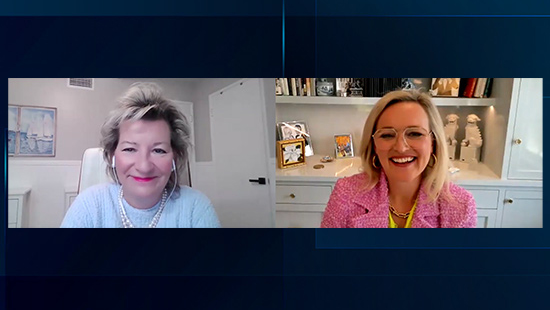
Ripple Effect Leadership: Building High-Trust Teams in a Low-Trust World
Leadership expert Chris Rollins joined us to talk about inclusive leadership, share his Ripple Effect Leadership™ framework and discuss how leading with vulnerability and empathy can transform the workplace.