Podcast
Travelers Across America: Building Community Resilience in New Orleans
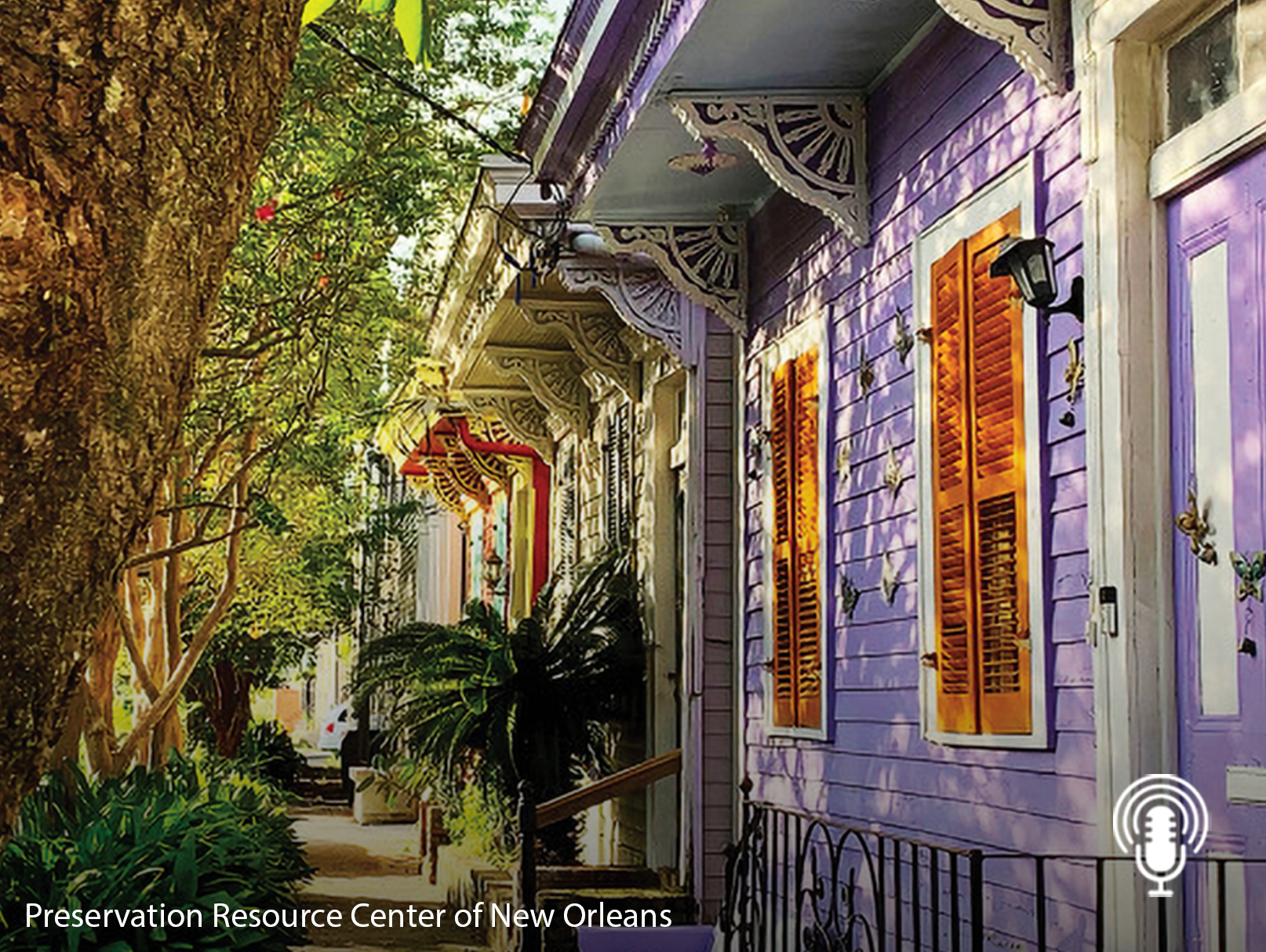
This special edition of the Travelers Institute Risk & Resilience podcast is the first episode in a four-part series highlighting Travelers Across America – a new initiative by Citizen Travelers® that reflects Travelers’ long-standing commitment to strengthening community resilience.
Host Janice Brunner, Head of Civic Engagement and Corporate Affairs at Travelers, was joined by leaders from the Preservation Resource Center of New Orleans and the Louisiana Department of Insurance to discuss Travelers’ partnership to deliver critical repairs that strengthen historic homes against hurricanes and flooding. They explored how cross-sector collaboration both protects historic landmarks and strengthens neighborhoods that have weathered generations of storms.
JOAN WOODWARD: Hi, folks, and welcome to the Travelers Institute Risk and Resilience podcast. I’m your host, Joan Woodward, president of the Travelers Institute. Today’s episode is part of a special Travelers Across America series, spotlighting a first-of-its-kind partnership between Travelers and the National Trust for Historic Preservation to really strengthen community resilience coast to coast. To commemorate the two-hundred-and-fiftieth anniversary of the United States. The effort includes projects to restore and protect iconic landmarks in California, Connecticut, Louisiana and Minnesota that are really vulnerable to natural disasters. Each episode is hosted by Janice Brunner, head of civic engagement and corporate affairs at Travelers, and will bring together preservation leaders, policy makers, innovators, and community experts to deep dive into these projects and their role in strengthening the long-term resilience of the surrounding neighborhoods. Take a listen to the conversation in New Orleans.
JANICE BRUNNER: Good morning, everyone. I’m Janice Brunner, head of civic engagement and corporate affairs at Travelers. I’m so glad to be here today at the Preservation Resource Center of New Orleans, right in the heart of the city’s historic warehouse district, for the first episode of our Travelers Across America podcast series. I arrived in New Orleans last night, and I have to say, there is something about this city that stops you in your tracks. Every block has a story – the architecture, the food, the music drifting out of the open doors. It pulls you in and makes you want to understand it more deeply. It’s a city of layers, and the more you look, the more you see that quality – the sense of a place that has been built and rebuilt and shaped by the people who love it – is exactly why we are here.
Travelers Across America is a national initiative we launched in partnership with the National Trust for Historic Preservation to celebrate America’s two-hundred-and-fiftieth anniversary. Through this first-of-its-kind partnership, we are awarding grants to restore and protect historic landmarks in four states – California, Connecticut, Louisiana and Minnesota – all of which share a common vulnerability to natural disasters. New Orleans is where we chose to begin. And coming back here today, I’m reminded all over again why.
With me today are two remarkable guests. Tim Temple is the insurance commissioner for the state of Louisiana. As the state’s top insurance official, Tim is committed to ensuring the Louisiana Department of Insurance protects and advocates for consumers while operating at the speed of the industry. Since taking office, Tim has worked with state lawmakers and the governor to develop and pass significant insurance and legal reform aimed at promoting competitive, affordable property and auto insurance markets. He has championed resilience efforts like the Louisiana FORTIFIED Roofs Program and wind mitigation surveys for the benefit of all residents and businesses across Louisiana. As Louisiana’s chief insurance regulator, Tim embraces innovation and has modernized the department to adapt to the rapidly changing insurance landscape. He also holds a number of leadership and advisory roles with the National Association of Insurance Commissioners. A native of DeRidder, Louisiana, he and his wife, Amy, call Baton Rouge home. We are so glad to have him with us today. Commissioner Temple, welcome.
TIM TEMPLE: Thank you.
JANICE BRUNNER: Kristen Gisleson Palmer is the executive director of the Preservation Resource Center of New Orleans, an organization she first encountered as a young volunteer in the early nineteen nineties and has been connected to ever since. A former two-term New Orleans City Council member, Kristen has spent her career fighting for historic preservation and community resilience in this city. After Hurricane Katrina, she led Rebuilding Together New Orleans, mobilizing more than ten thousand volunteers to help residents return home. She is a National Trust for Historic Preservation Award recipient and a fellow of the Aspen Institute, a competitive fellowship for public leaders. We are lucky to have her leading the PRC. Kristen, thank you for hosting us.
KRISTEN GISLESON PALMER: My pleasure. Thank you.
JANICE BRUNNER: Today, we’re here to discuss our joint effort to make New Orleans more resilient against extreme weather, specifically through Travelers Across America. We’re supporting the PRC’s Revival Grants program, which is partnering with the Louisiana Department of Insurance to help homeowners pair funding sources and fortify more roofs across the city’s historic neighborhoods, protecting both the people who live in them and the architectural character that makes those neighborhoods irreplaceable. New Orleans has long proven that resilience is its oldest tradition. We’re here to talk about how we build on that tradition together.
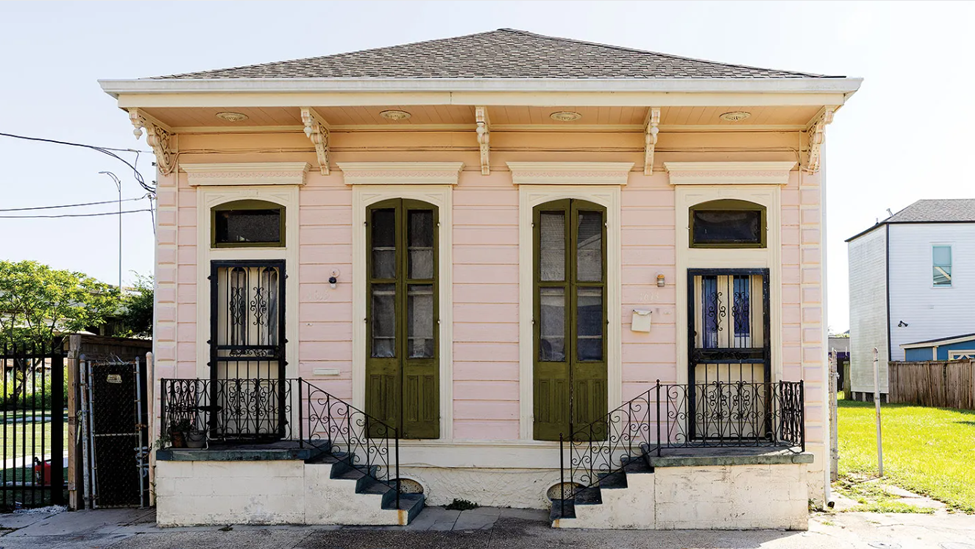
With that, let’s dig in. Kristen, New Orleans has a remarkable architectural identity and its communities. When people picture New Orleans, they picture shotgun houses, Creole cottages, the wrought iron balconies and detailing – but you’ve said that preserving architecture is really about preserving the people and communities who give those buildings meaning. Can you paint a picture for our listeners of what’s at stake in New Orleans neighborhoods, and why keeping longtime residents in their homes is at the heart of the Preservation Resource Center’s mission?
KRISTEN GISLESON PALMER: You know, part of our mission is not just to promote and protect our historic architecture and neighborhoods, but also our culture. And so when we talk about what our culture is, it really is the people that have built this city and have lived here for generations. Our built environment reflects who our people are, and it’s actually influenced our people – the proximity of the houses next to each other, the colorful nature of the Creole neighborhoods – all of that has really led to this incredible interaction amongst the people that live here, which has boiled up obviously into our music, into our food, into this merge of cultures. And so, our built environment is incredibly important.
What’s even more important, when we look at that, is that our historic built environment is so close to our downtown, right? It’s close to and has access to our food, to healthcare, to schools. It’s walkable – you can walk to different resources. So, when we talk about that as an overall sense of community, it’s also sustainable in and of itself, in where it’s built and how it’s built. More importantly, the reason we should keep our long-term residents – as we all know in America, the fastest way to gain wealth and equity is through home ownership and also through passing a home down from one generation to the next. And so to really keep these generations within their homes is vital to how we protect the long-term sustainability of our culture and our people.
JANICE BRUNNER: Great. That’s super helpful. Commissioner Temple, as commissioner of the Louisiana Department of Insurance, you see firsthand what homeowners in historic neighborhoods are dealing with – rising premiums, more frequent storms, aging housing stock. How would you describe the insurance landscape in New Orleans right now, and what are the biggest barriers keeping low- and moderate-income homeowners from adequately protecting their properties?
TIM TEMPLE: Yeah. I think “stressful” is the word I would use when talking about the insurance marketplace in Louisiana right now. You have many families that are financially stressed with affordability. I’ve seen a lot of different studies out there, but specific to affordability, Louisiana is the least affordable state in America for insurance. So, you’ve got a lot of families that sit around tables, probably similar to this, at night, trying to figure out how do they afford insurance? They pay their homeowner’s premium – which they have to, especially if you have a mortgage, or just the fact that you can’t afford not to rebuild without financial assistance. And that means there’s something that’s not going to be paid somewhere else. So “stressful” is the word of the day and has been probably for the last four years in the department.
What we’re trying to do is bring to the forefront the factors that go into making insurance industry premiums unaffordable. Specific to housing, especially in South Louisiana, we’re always going to be exposed to hurricane winds. And it’s interesting that we’re sitting in a building that was probably built – I’m not sure exactly when – but when it was built, it was not built to building codes. It was built to common sense. The builders knew it was going to be exposed to hurricane-force winds, and it has obviously been able to weather every hurricane that’s come through this region since it was built. Today, we have building codes, but I don’t think those always take into account the forces of nature that properties are going to be exposed to.
We did an event with the FORTIFIED roof program that’s administered through LDI. There were three homes on one block – maybe two homes in between, and one across the street. And we met the folks that received these grants. These were homes that had been passed down from one generation to the next to the next. It’s referred to sometimes as generational wealth – to me, it’s generational security – because they’re able to stay in a home because they can’t afford to live anywhere else. So, we’ve got to make sure that we take care of that. And I was proud that I was able to partner with some nonprofit groups to make sure that these people were able to receive a FORTIFIED home, which allowed them to continue to carry insurance that they needed. Otherwise, they would not have been able to afford the insurance, which meant that home was going to be financially exposed the next time damage occurred.
So, I’m proud of the legislature for allocating funds to the grant program, proud of the governor for signing off on that and continued support. And I’m proud of groups like yourselves and Travelers and others that are helping continue this program and get the word out and give communities and people that financial assurance that they need to continue to live and work and play in Louisiana.
JANICE BRUNNER: The public-private partnerships are so important. I think that’s really what’s unique about the three of us being here today together – this partnership across sectors. Let’s dig into how the partnership works a little bit. Kristen, can you tell us a little bit about the Revival Grants program and how that’s become a lifeline for homeowners who can’t afford the repairs their historic homes need? Walk us through how the program works, from identifying eligible homeowners to matching them with qualified contractors and what kinds of repairs you’re typically tackling. And then we’ll move back to Commissioner Temple to tell how that is intersecting with the Louisiana FORTIFIED Homes program.
KRISTEN GISLESON PALMER: Sure. We really believe in focusing on the exterior structure – to make it intact. As we know, when we’re talking about what happens from the outside, we really need to keep people warm and safe for many, many years to come. And you can’t really do that unless you have a waterproof, tight, structurally secure exterior. And so, we really focus on that quite a bit. We have a lot of community outreach into the neighborhoods. We work very closely with different neighborhoods. Outreach is very, very important to us. There’s also just an incredible amount of need – people know what we’ve been doing and we have quite a list of people that need our help.
When we look at the types of repairs that we do, we do a lot of roofing, gutters, fascia, siding, shoring – really to make sure that the houses can stay within the families for generations to come. And the importance of this program is that we’ll never have enough money to meet all the need. At the same time, we all know that in order to decrease the costs of insurance city-wide and statewide, we really have to have these types of FORTIFIED roofs to help bring down everybody’s insurance. So, the great thing was when Travelers came to us with this grant – through the National Trust – we were only maybe able to do four or five houses. But then speaking with LDI and knowing that they have these FORTIFIED grant programs, we could then match the money that could potentially make up that delta. A FORTIFIED roof might cost anywhere from sixteen thousand to twenty-two thousand dollars, depending on the square footage, but the grants are for ten thousand. And so for low-income folks, that delta can be hard to make. We can now use the Travelers funding to cover that delta, and then also use the FORTIFIED grant – which allows us to leverage more resources and do more roofs throughout the city.
JANICE BRUNNER: That’s great. It’s essentially almost like matching grants, which is super helpful and allows us to expand the reach at scale. Commissioner Temple, the Louisiana FORTIFIED Roofs program helps Louisiana homeowners strengthen their roofs to better withstand hurricane-force winds. As Kristen said, the program grants up to ten thousand dollars per homeowner to upgrade their roofs to standards set by the Insurance Institute for Business and Home Safety. The completed roofing project must meet the FORTIFIED roof standards for the grant to be issued, and grant funding is limited to construction costs. What is your rationale behind the FORTIFIED Roof grants, and how do you expect resilience improvements like these to continue to change the equation for homeowners in Louisiana, especially coastal Louisiana?
TIM TEMPLE: The phrase I like to use is: FORTIFIED is the long-term solution to insurance affordability and homeowners’ affordability. We need to build more resilient, and the IBHS-specific FORTIFIED roof certification is that solution. We’ve seen it implemented successfully in Alabama – I think the last numbers were fifty or sixty thousand FORTIFIED roofs in their state over the last twelve years, partly through their department grant program, but the vast majority through building codes and requirements that if you live in coastal Alabama, you have to build to FORTIFIED standards. Their homeowner’s insurance market is much more affordable. If you live on the Gulf in the state of Alabama, you have affordable insurance and lots of competition for your property. Obviously, it works. And that’s the goal for Louisiana – to promote programs like this to build more FORTIFIED structures.
To date, our program is twenty-seven months old. In that twenty-seven-month period, we have almost four thousand three hundred FORTIFIED roofs through the department grant program, and another seven thousand through individuals who chose to put a FORTIFIED roof on. And now there are incentives for that – there’s a tax credit you can claim if you paid for the FORTIFIED roof yourself. We also recently issued a bulletin that we’re going to be issuing a regulation on FORTIFIED discount benchmarks, promulgating that rule over the next several months to help encourage and promote FORTIFIED roofs. It’s the long-term solution. We’re going to be exposed. It’s almost like we have to bring a little bit of common sense back into building codes. I’m not one for more government – I prefer less – but this is one where we already have building codes, and there’s a reason we have them. We just need to do a little bit extra to get to where we need to be to mitigate against the exposure that these properties are going to have.
JANICE BRUNNER: Makes perfect sense. I’ll go back to you, Commissioner Temple. Your office is focused specifically on consumer advocacy. And I think one of the challenges is even just having people know about these grants and being able to work through the system. There can sometimes be a deep skepticism about whether the insurance system works for residents who watch costs go up and coverage become hard to secure. Kristen, I’d love your opinion on this too. How do you build trust with these communities, and what role can programs like this one play in demonstrating that resilience investments can produce tangible benefits?
TIM TEMPLE: Yeah. Messaging is key. That is one we have been promoting from day one since I took office in January of twenty-twenty-four. The FORTIFIED conversation comes up more and more frequently, to the point where I say, if I’m in front of more than two people, I’m going to mention it. But the industry and insurance agents also have a role to play – not just the risk bearers. I think agents and brokers out there have a role to promote this incredibly valuable product.
You know, I’ve had conversations with realtor associations. I’ve asked them to promote this product. If you have a home for sale that has a FORTIFIED roof, and across the street you have a home that does not – guess which one’s going to be more attractive. Guess which one’s going to get more resale value? In Alabama, they demonstrated – and I haven’t seen the full report, but the number that’s used quite often is a seven percent increase in value for homes that have a FORTIFIED roof versus those that don’t. So even realtors can be incentivized to promote this product. Lending institutions and banks should be part of that conversation too – the asset that their loan is against is better protected with a FORTIFIED roof. So, there are a lot of players that could bring their voice to the table to talk about the benefits and promote a FORTIFIED roof.
JANICE BRUNNER: Kristen, I’d love to hear your perspective.
KRISTEN GISLESON PALMER: I couldn’t agree more in terms of real estate agents, developers – everybody has a role to play in this. And I think we really need to emphasize that. One thing I’d also like to talk about is the post-Katrina impact on building codes, because it goes hand in glove with this. Post-Katrina, the city really did spend a lot of time revamping our building codes. We were kind of like the leaders in the state redoing our building codes. It took us several years after Katrina, but we knew we had to address it. What’s interesting now when we talk about the FORTIFIED roof program is that it’s actually not that much more than what our current building codes already require in Orleans Parish in order to make your roof FORTIFIED. So it’s really not that big of a delta. And I think that also needs to be messaged out there.
The other thing, when we talk about resiliency and value – and I think this sometimes gets lost – is that after an event, be it a hurricane or a storm or wind, the fastest way to rebuild are the people who can go back into their homes. We saw that very clearly after Katrina. The longer you waited and couldn’t get back into your house or needed a FEMA trailer, the longer it took you to rebuild, the more costly and disruptive it was for your home and your family. When you have a FORTIFIED roof, you can come back faster, your house is intact, and that really speeds up any type of recovery time. It also speeds up the investment a family needs to make with their children and their family circumstances. And I think that has to come out in the messaging. Travelers can take that message to the rest of the country – because the goal is to get people back in their homes as fast as possible. It makes the recovery costs less from the insurance perspective, from the federal perspective, from the state perspective, and it makes the cost less for the homeowner and for the family.
JANICE BRUNNER: Kristen, that point about the speed of recovery really resonates with me. At Travelers, getting people back into their homes as quickly as possible is one of our most important goals. Our objective is to close ninety percent of property claims arising out of catastrophe events within thirty days. In practice, that means our claims team gets to work often before disaster strikes and well before the skies clear, the wind dies down, or firefighters finish their work.
TIM TEMPLE: And community resilience – that’s still a conversation that has not been had broadly enough. You need to message it to the LMA, the municipal associations, the parish presidents, the city council members. There are things they can do to help encourage and promote – not just FORTIFIED, but other resilience issues – because it does hold the community intact. We saw it even with Ida. If you’ve lost some shingles and your interior’s wet, you cannot live in the home. You might be able to live thirty miles away and commute back and forth, but as you know, the longer you stay away from a home, the less likely you are to come back.
I also think we need to continue this conversation on the commercial side, too. Because if your population can still live there – but let’s say a school was damaged and your kids can’t go to school in that community – then you’ve got the opposite issue. You can live in the community, but you can’t effectively work and live there. So, we need to make sure we’re not just focused on individual homes, but also on commercial properties. Whether it’s school boards or grocery stores – you’ve got to have those things to live in the community. We saw that right after Katrina. Getting people back was dependent on having a sustainable store somewhere in the vicinity.
JANICE BRUNNER: This is interesting to me because this is very similar to a conversation we had in Los Angeles about a month ago on community resilience, and it raised the exact same points. A very different community, a very different peril – because we’re talking post-wildfire – but the same idea that community resilience requires everyone to come together. It’s a collective-action issue. When you’re talking about wildfire, you can make your roof resistant, but if your neighbor or the school down the street or your places of worship or grocery stores aren’t resilient, then it’s the same issue you’ve just described. It’s complicated, but it really is this idea of cross-sector partnership that I think is really hopeful. So, thank you for raising that.
Twenty years after Katrina, New Orleans has endured hurricane after hurricane. And each one takes a toll not just on buildings, but on the financial reserves and emotional stamina of the people who live in them. Can you both speak to the cumulative effect that repeated disasters have had on a community’s ability to stay whole, and how that shapes the way you approach your work?
TIM TEMPLE: Our industry identifies named events. Some communities don’t – they just know something happened a long time ago and things are different now. Katrina highlighted a different peril for Louisiana and for New Orleans specifically, and that was the levees. If you haven’t gone out there, you need to. Specific to where the levee breaches were – when they built the federal pump stations and infrastructure to prevent another water event – they armored those levees. Before that, they were open to Lake Pontchartrain. That’s what happened: the way the storm swung around and pushed water from the north to the south, and a barge hit one of the levees and it breached. It was a known peril, but the consequences had not been fully explored. So the federal, state, and local governments spent billions and billions of dollars to mitigate against that happening again. And now New Orleans benefits tremendously from that.
Now let’s look at it from wind. And I think that’s what we’re doing specifically with the FORTIFIED program – we’re saying the wind’s going to blow, so let’s armor our roofs and our homes. And it’s taking a different peril but focusing on how you mitigate against that exposure. So, Katrina was a water event. Then we had Laura, Delta, Zeta, and Ida, which were all wind. And now we’re having similar discussions. The amount of money being spent on FORTIFIED is encouraging. The industry is responding favorably. You’re starting to see local governments start to have conversations. The people are obviously very interested – the last round of grants, we had a thousand grants available and over ten thousand people submitted their name to be considered. The demand is incredibly high, which highlights that we need to spend more money towards this.
And I do want to say this clearly – if you’ve got a FORTIFIED roof, it does not mean you have an armored home. So, the next time the wind blows and local authorities say to evacuate, I don’t want people sitting there saying, “Well, I’ve got a FORTIFIED roof – come hang out, we’ll be all right.” No – leave. That’s another messaging challenge we’re going to have to address prior to the next storm coming onshore. We now have over ten thousand FORTIFIED roofs. I don’t want ten thousand families staying in their house because they think they’re safe.
JANICE BRUNNER: That’s a great point. I think the insurance industry could help with that too, right? We have a new program that we just developed – it actually came from an employee at one of our innovation labs – where when a storm is coming, we notify all our clients of where they can park their car. It really helps to get that information out there, that these are solutions you can prepare in advance. So, every bit of that messaging helps. And it again goes back to the public-private partnership – how much we can all work together to make sure people are safe. Kristen, do you have something you want to add on that?
KRISTEN GISLESON PALMER: First, I want to say that the best investment in our infrastructure post-Katrina from the federal level was obviously much needed and very successful. I think it’s really important to state that very clearly – this was a smart investment at the federal level. Also, as we all know, it was a man-made disaster because there were man-made canals that failed, built by the Army Corps of Engineers. So I also want to be very clear that there was a federal responsibility to rebuild. The position of where New Orleans is – as a port city, having all six major railways go through it – is incredibly important to the commerce of the entire country. So that investment was wise, it was smart, it was needed, and it was deserved.
But immediately after Katrina, we did not know as individuals that was going to happen. And so the very first decision to rebuild is an individual decision. And it is on the individual that we built the city in the immediate aftermath of Katrina. So that decision to come back is really what we talk about when we talk about resiliency and how we move forward. What we learned after Katrina and after subsequent events is the power of the individual – how can the individual protect themselves and sustain themselves, and consequently, the community. I think FORTIFIED roofs are a very great example of how we do that, because it puts the power back in the individual, which I think is very much needed.
And what we have seen as a resilient community post-Katrina – and continually with rain events and water events, because now that’s what we’re dealing with too – is that because we are protected on the perimeter, we’re seeing greater rain events because of climate change. The clouds are storing more water, so the water is coming down at a faster rate than our pumping stations were designed for. So we’re also seeing greater importance in green infrastructure and stormwater management. The individual in New Orleans now knows that. And I think when we talk about what some of the Travelers money goes to when we’re partnering with other groups, it’s also to focus on water management that individuals can do on their own property. So when we talk about long-term solutions, it’s through these types of creative partnerships – listening to the community and reacting to what we’ve learned in the past to move forward.
JANICE BRUNNER: I have one question that really brings it back to the partnership between historic preservation and resilience, which is the central theme of this Travelers Across America initiative. Maybe I’ll throw that out to both of you. One of the qualities that makes this New Orleans work so powerful is the idea that preservation itself is a resilience strategy – that keeping a neighborhood architecturally intact and culturally rooted is just as important as any engineering upgrade. How do you each make the case to your respective audiences that investing in the people and places of a historic community like New Orleans is also an investment in its ability to withstand whatever comes next?
KRISTEN GISLESON PALMER: I’ll take this one. I’ve been in building and housing for thirty-plus years, and in preservation. Just from a long-term perspective – past and going forward – you can’t build a house today like you can build a house one hundred and fifty or two hundred years ago. The timbers are dense wood. They’re stronger, they’re structural. The measurements are true and real, and the materials are just vastly superior. With that being said, of course, we also know that a FORTIFIED roof today is vastly superior to what they had in the past. So knowing that and having a genuine respect for the materials that went into building historic properties, is vital to understanding their role.
Also, everything about them is better – and I’ve seen that. I’ve rebuilt houses in my twenties that then made it through Katrina, and I had to rebuild them again. And they’re fine. They’re perfect. They’re great. So, I think that’s valuable. And when we also talk about sustainability – we’re all so concerned in this country about recycling one plastic water bottle, yet we fail to see the value of recycling a house. New construction creates – I want to say roughly fifteen pounds of construction waste per every square foot of a new house being built, as opposed to renovating an existing house, which creates far less waste. It keeps the economic value within the community, because you often have to hire more craftsmen from the community to build it. You don’t have the supply costs of transportation and the negative environmental issues of transportation. And then the materials themselves – there’s all this energy stored within old materials that has value, as opposed to them going into a landfill. So there’s also an environmental and sustainable quality when we talk about preservation, just for the buildings.
Now, in terms of the neighborhoods and the communities – again, to me, that’s intrinsically linked to the culture of our city. And one thing we all know about New Orleans is that when people come here, and I think you prefaced this entire conversation with exactly that – you feel it. There’s a soul. And I think that is what has to be protected. If we don’t have that, we lose our soul.
TIM TEMPLE: Insurance is a form of preservation, if you think about it – it’s a financial form of preservation. It allows you to rebuild your house. And I think we need to acknowledge that role. Obviously, you offer a product. There’s a social benefit to the product that insurance companies offer, and I’m very thankful for that. Y’all are going above and beyond that by creating the foundation that allows for even additional preservation.
Louisiana is a working coast. The men and women that live in New Orleans or Port Fourchon or Gueydan or Cocodrie or even Lake Charles – they live there because they work and support either the shrimping industry, oyster harvesters, finfish, oil and gas – the things that don’t just benefit Louisiana’s economy, but the nation’s economy. I think twenty-five percent of our oil and gas in the country is produced off Louisiana shores. So we play a vital role. It’s important to have men and women who can afford to live in the area and work in those industries. Insurance contributes greatly to that. So that’s a sense of preservation too – not just for our state, but for our country.
People eat shrimp and oysters from Louisiana all over the world. Preservation is a pretty broad word in my mind. And projects like this help promote that. I can’t say I’m thankful enough for what’s been done to help encourage and promote and help stretch our state dollars through the grant program. As I said earlier, you can receive up to ten thousand dollars, and that all goes to the roofer – there are no administrative costs associated with it. Partnerships like this help preserve not just Louisiana’s culture, but I think our nation’s culture.
And so we’re going to keep pushing that. I’m always asking for additional funding from the legislature anytime they can find additional dollars. This is a good program. It is a direct benefit to the citizens of Louisiana who receive these grants. It’s a way to help preserve a family asset – that’s really what it is. And the social benefit of that – we’ve talked about how important it is that we continue to help people afford to live in Louisiana. This is just one great project, and I appreciate your support and the opportunity to be here and talk about it. Since last year’s legislative change in the department, we will now have between twenty-seven and thirty million dollars every year for the grant program. So, we’ll be able to do three thousand homes every single year just in the grant program. And if we partner, that stretches those dollars even further, which is what we want.
JANICE BRUNNER: That’s fantastic. I want to thank you so much. This has been an amazing conversation. And I’ll just close with one quick question to both of you – what can New Orleans teach the rest of the country?
KRISTEN GISLESON PALMER: Well, I think we’re kind of doing it now. We know that resources are limited and that you have to make partnerships and leverage even more so than just from having limited resources. I think the solutions are often better when you collaborate, and I think this is a great example of that. And I think you always need to have the private sector, the public sector, and the nonprofit sector working together to really have substantive change. Partnerships are important, and they are certainly a way to be successful long-term.
TIM TEMPLE: I think I want to highlight that Louisiana in general – but New Orleans specifically, because of where we are – are resilient people. Something’s been thrown at us it seems like every year, whether a weather-related event or something else. But the people of Louisiana and New Orleans are extremely resilient. And being resilient instills this sense of “What can we do better for the next time?” Years ago, decades ago, centuries ago, we built more resilient because of common sense. We’re getting back to that now – saying we know we’re going to be exposed to perils, so what can we do to mitigate those? And the people of Louisiana are extremely resilient. I think they’re going to show the rest of the country how to do it.
JANICE BRUNNER: I think that’s a great way to close – be resilient for the next two-fifty years. That’s what I want to hear. Thanks so much.
TIM TEMPLE: Thank you.
KRISTEN GISLESON PALMER: Thank you.
JOAN WOODWARD: Thank you for joining us for this special episode with our guest host, Janice Brunner. Check out our show notes for more information about the Travelers Institute and Travelers Across America. If you enjoyed our content, please be sure to subscribe, rate, and review on Apple Podcasts and Spotify. Thanks again for listening.
This episode is also available on Apple Podcasts®.
Subscribe
Host
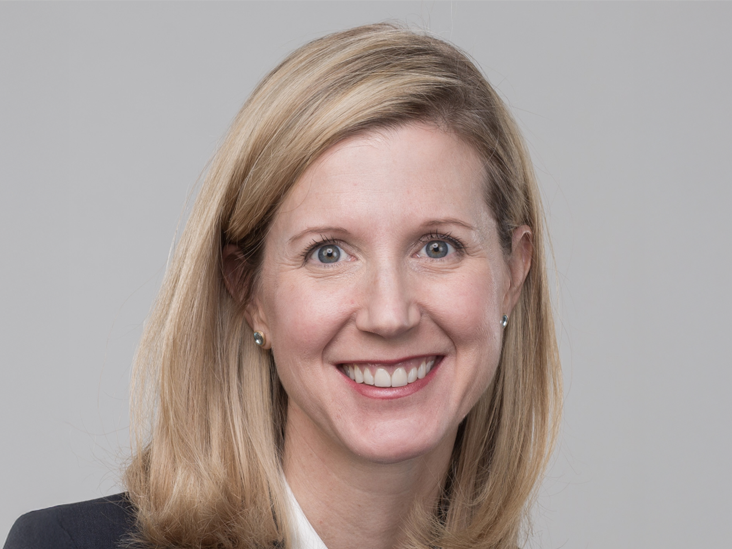
Janice Brunner
Group General Counsel, Head of Civic Engagement and Corporate Affairs, Travelers

Key takeaways
-
New Orleans’ historic neighborhoods, walkable and passed down through generations, are where the city’s music, cuisine and identity were built. Preserving them means preserving the communities and culture that make them irreplaceable.
-
Upgrading roofs to Insurance Institute for Business & Home Safety FORTIFIEDTM standards is widely seen as a path to long-term insurance affordability in Louisiana.
-
The state grant is capped at $10,000, but a FORTIFIED roof in New Orleans can cost well above that. Closing that gap requires layering funding sources, which is where partnerships between the public, private and nonprofit sectors become essential.
-
Louisiana’s dedicated annual funding stream for FORTIFIED roof grants, combined with private and nonprofit partnerships, points toward a model where limited dollars can go further and more homeowners can access the protection they need.
Travelers Institute Risk & Resilience podcast
Subscribe on LinkedIn® (Opens in a new window)
The Travelers Institute Risk & Resilience podcast is available on Spotify and Apple Podcasts®. Subscribe today to be alerted when new episodes are released.
Explore more
Travelers Across America (Opens in a new window)
A Travelers and National Trust Partnership dedicated to restoring and protecting historic places across the nation that face increasing threats from natural disasters.

How a New Orleans Home Repair Program Helps the City’s Historic Fabric (Opens in a new window)
Preservation Resource Center of New Orleans repair programs demonstrate that strengthening older homes against storms can also strengthen community continuity in New Orleans’ most culturally significant neighborhoods.
Travelers Across America: Spotlighting Resilient Build and Design in Los Angeles
Janice Brunner and podcast guests explore how protecting the iconic Eames House in Los Angeles from wildfire risk shows how climate resilience and historic preservation go hand in hand.

Related news
Travelers and National Trust for Historic Preservation bring national resilience campaign to Minnesota
August 6, 2026
Travelers Across America: 250 ACP mentorships for 250 years
January 2026
Travelers and National Trust take resilience initiative to Los Angeles
Jan. 30, 2026
Travelers and National Trust take resilience initiative to New Orleans
November 2025
Travelers launches landmark preservation initiative to commemorate America’s 250th anniversary
July 1, 2025